

As awareness of climate change grows, so does a new kind of emotional response — eco-anxiety. This term describes the worry, fear, or sadness people feel about the planet’s future. From rising temperatures to natural disasters, environmental changes are affecting not only the Earth but also mental health.
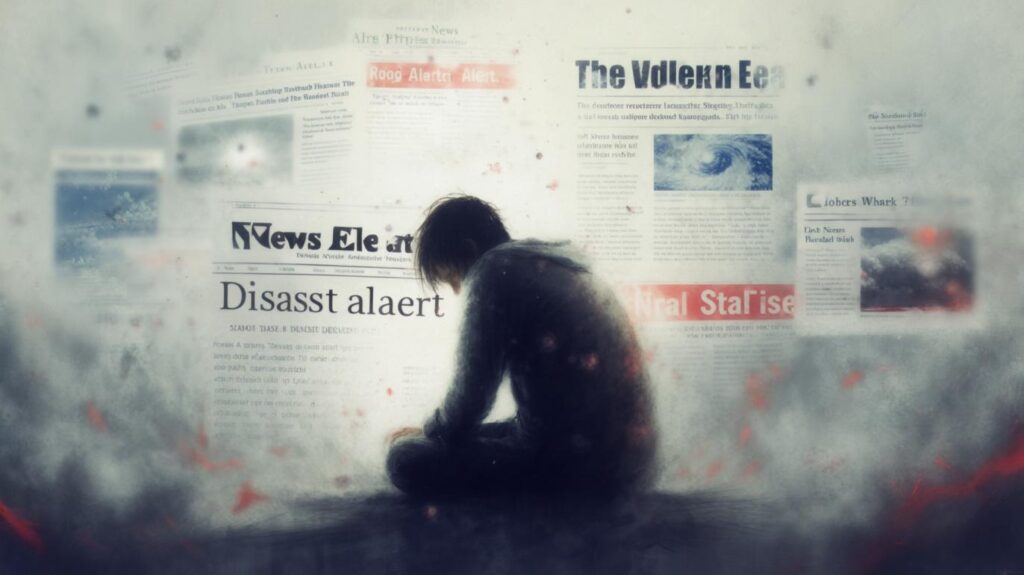
What Is Eco-Anxiety?
Eco-anxiety is the stress or unease caused by concern for the environment and the effects of climate change. It’s not a mental illness but a natural emotional reaction to real global challenges. People may feel anxious, helpless, or guilty about their impact on the planet or the uncertainty of what lies ahead.
Eco-anxiety can appear in different ways:
- Constant worry about the environment or future generations
- Feelings of sadness, anger, or guilt about climate issues
- Trouble sleeping or concentrating due to environmental concerns
- A sense of hopelessness or loss when hearing about disasters or species extinction
Who Experiences Eco-Anxiety?
Eco-anxiety can affect anyone, but it’s especially common among:
- Young people: Many teens and young adults feel anxious about inheriting a damaged planet.
- Environmental workers and activists: Those deeply involved in climate work may feel emotional exhaustion or burnout.
- Communities directly affected by climate change: People living in areas hit by floods, droughts, or wildfires often experience trauma and grief.
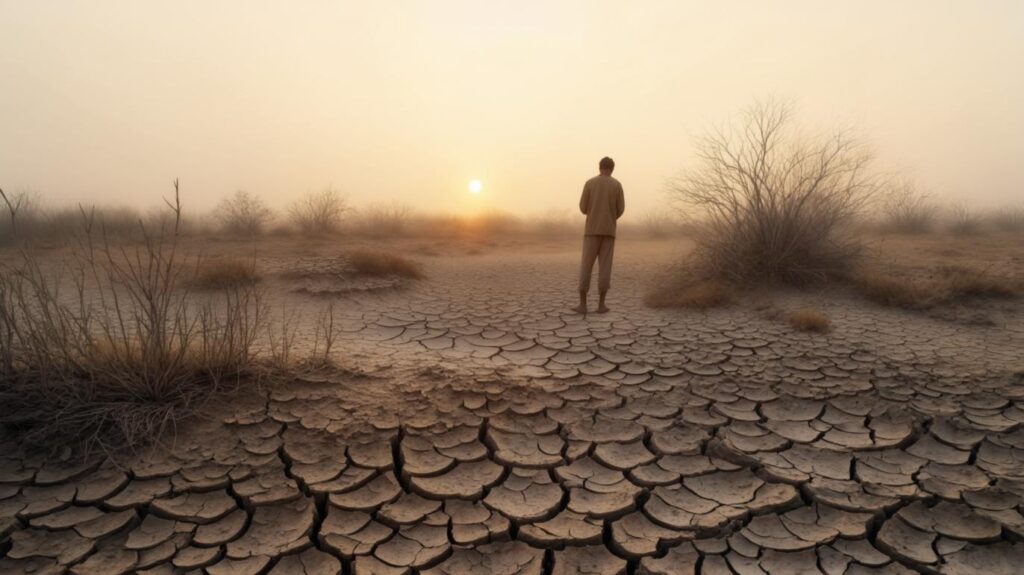
The Psychological Impact of Climate Change
It can trigger emotional distress through extreme weather events while also increasing long-term stress, uncertainty, and anxiety about the future.
- Direct Impact: Natural disasters can cause trauma, loss, and displacement.Many survivors also struggle with emotional aftereffects such as persistent fear, intrusive memories, mood changes, and difficulty coping with everyday situations.
- Indirect Impact: Constant exposure to alarming news or environmental decline can create chronic stress and feelings of powerlessness.
Over time, these emotional effects can influence relationships, motivation, and overall well-being.
Coping with Eco-Anxiety
- Acknowledge the Feelings
It’s normal to feel anxious about the environment.Acknowledging and understanding these feelings helps individuals begin the process of healing and regain a sense of control over their well-being. - Take Action
Small steps — like recycling, reducing waste, or supporting sustainable brands — can create a sense of control and purpose. Joining community projects or environmental groups can also turn worry into positive action. - Limit News Overload
Constant exposure to negative climate news can increase stress. Choose reliable sources and take breaks from social media when needed. - Connect with Nature
Spending time outdoors can restore calm and remind people of the beauty worth protecting. Activities like walking, gardening, or hiking can reduce anxiety and improve mood. - Talk About It
Sharing feelings with friends, family, or support groups helps reduce isolation. Some therapists now specialize in eco-anxiety and can offer guidance. - Practice Mindfulness and Self-Care
Techniques like meditation, deep breathing, and journaling can help manage stress and bring focus back to the present moment.

The Role of Community and Education
Communities play a key role in addressing eco-anxiety. Schools, workplaces, and local organizations can create safe spaces for discussion and encourage sustainable habits. Education about climate solutions can replace fear with empowerment, helping people see that change is possible.
Finding Hope in Action
While eco-anxiety can feel heavy, it also shows deep care for the planet. Turning concern into action — whether through volunteering, advocacy, or lifestyle changes — can transform fear into motivation. Collective efforts remind people that they are not alone in wanting a better future.
Final Thoughts
Eco-anxiety is a growing emotional response to the realities of climate change. It reflects compassion, awareness, and a desire to protect the Earth. By acknowledging these feelings, taking meaningful action, and supporting one another, it’s possible to find balance between concern and hope.
Caring for the planet also means caring for mental health — because a healthier mind helps build a healthier world.