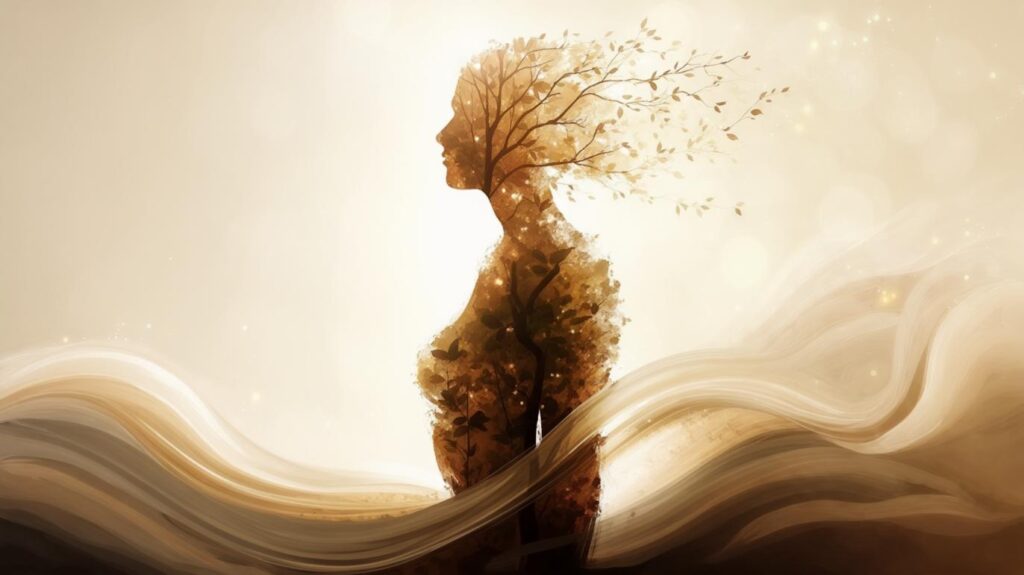
Mental wellness is about more than just the absence of stress or sadness — it’s about feeling balanced in mind, body, and spirit. Many people today are exploring holistic and alternative therapies to support their emotional health. These approaches focus on treating the whole person, not just the symptoms, and can be used alongside traditional therapy or medication.
What Are Holistic and Alternative Therapies?
Holistic and alternative therapies are natural or integrative methods that help improve mental and emotional well-being. They often combine relaxation, self-awareness, and physical healing. The goal is to create harmony between the mind and body, helping people feel calmer, more focused, and more connected to themselves.
Mindfulness
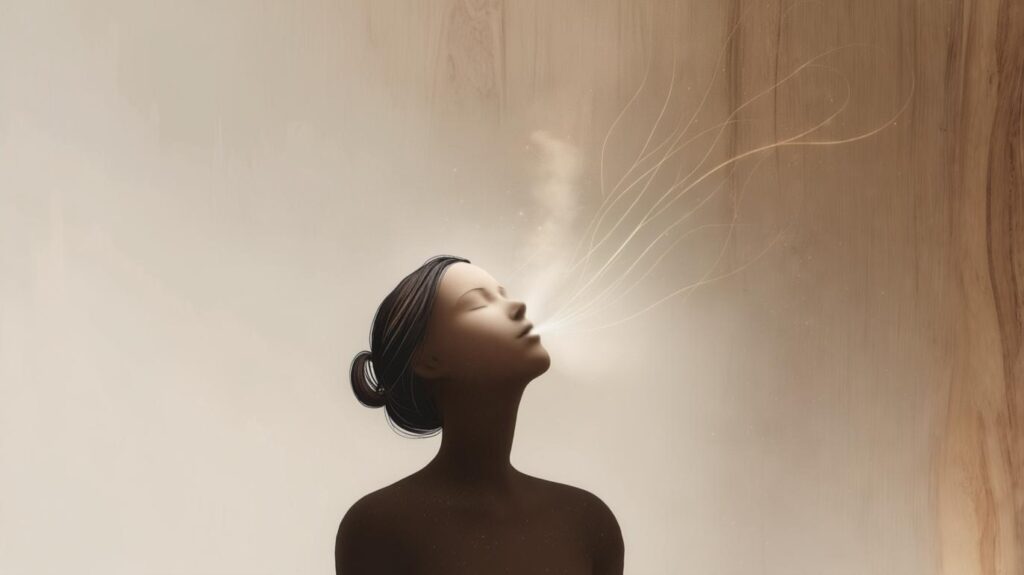
Mindfulness involves staying fully aware of what you are thinking, feeling, and experiencing in the present moment. Simple mindfulness exercises include focusing on breathing, noticing sensations in the body, or observing thoughts as they come and go.
Practicing mindfulness regularly can improve concentration, lower stress, and increase emotional awareness. It’s often used in therapy and meditation programs to help people manage anxiety, depression, and daily stress.
Sound Healing
Sound healing uses vibrations and tones to relax the mind and body. Instruments like singing bowls, gongs, or tuning forks create soothing sounds that can help reduce tension and promote deep relaxation.
The gentle vibrations are believed to balance energy in the body and calm the nervous system. Many people find sound healing helpful for improving sleep, reducing anxiety, and releasing emotional stress.
Aromatherapy
Scents like lavender, chamomile, and eucalyptus can help calm the mind, ease tension, and lift mood.
Essential oils can be used in diffusers, added to baths, or applied (diluted) to the skin. The sense of smell is closely linked to emotions, so pleasant scents can quickly create feelings of peace and comfort.
Yoga and Movement Therapy
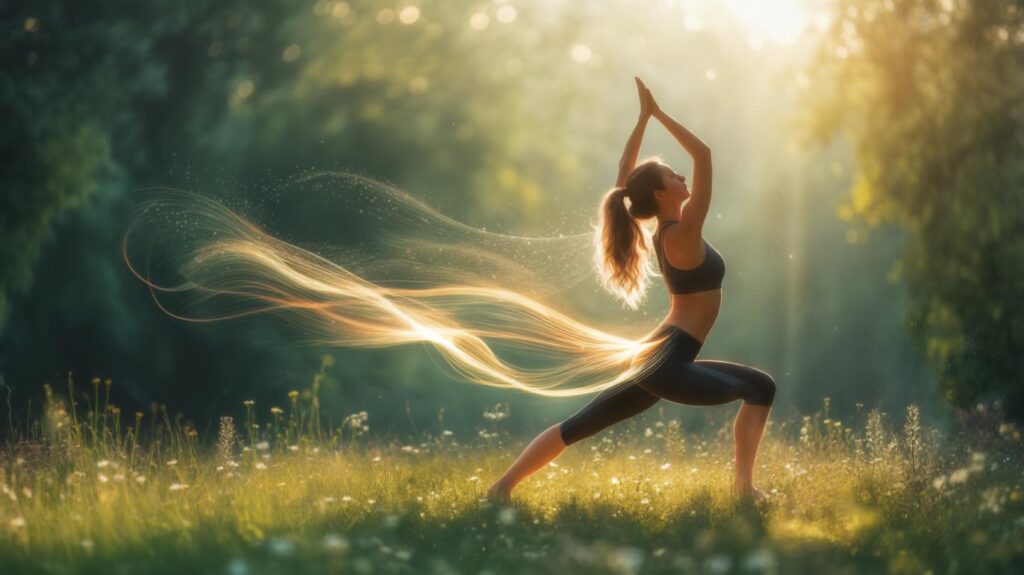
Yoga combines gentle movement, breathing, and mindfulness. Regular practice can improve mood, flexibility, and focus.
Other movement-based therapies, such as tai chi or dance therapy, also help people express emotions and connect with their bodies in a positive way.
Meditation
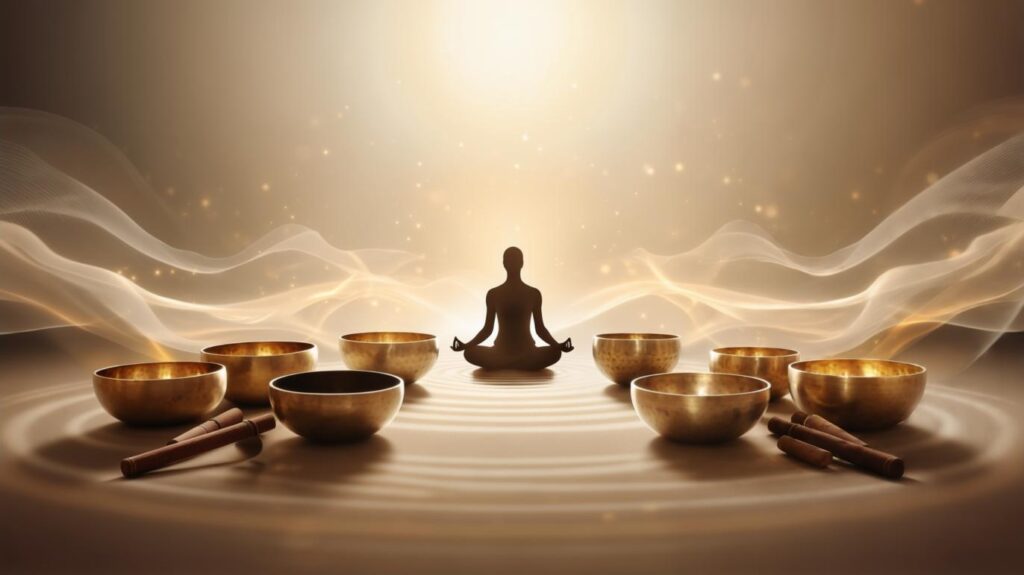
Meditation is a quiet practice that helps train the mind to focus and relax. It can be as simple as sitting still and breathing deeply for a few minutes each day. Over time, meditation can reduce stress, improve emotional control, and increase feelings of inner peace.
There are many types of meditation — guided, silent, or mantra-based — so people can choose what feels most comfortable.
Herbal and Natural Remedies
Some people use herbs and natural supplements to support mental wellness. Herbs like chamomile, passionflower, and ashwagandha are known for their calming effects. However, it’s important to talk to a healthcare professional before using any herbal remedies, especially if taking other medications.
Art and Creative Therapies
Creative activities like painting, writing, or music can help express emotions that are hard to put into words. Art therapy and music therapy are guided by trained professionals and can be powerful tools for healing and self-discovery.
Integrating Holistic Practices into Daily Life
Holistic therapies work best when practiced regularly. Simple steps can make a big difference:
- Begin your morning by sitting quietly and observing the sounds around you, noticing each sound as it comes and goes without reacting or labeling it.
- Use calming scents like lavender or sandalwood in the home.
- Listen to soft music or sound healing tracks before bed.
- Take short breaks during the day to stretch or walk mindfully.
These small habits can help reduce stress and bring more balance to everyday life.
Final Thoughts
Holistic and alternative therapies offer gentle, natural ways to support mental wellness. Whether through mindfulness, sound healing, aromatherapy, or creative expression, these practices help people reconnect with themselves and find calm in a busy world.
When combined with traditional care, holistic approaches can create a more complete path to healing — one that nurtures the mind, body, and spirit together.