
Psychedelic-assisted therapy is an emerging approach in mental health care that uses certain psychedelic substances, combined with professional therapy, to help people manage conditions like depression, anxiety, post-traumatic stress disorder (PTSD), and addiction. This type of therapy is gaining attention as researchers explore how these substances can support emotional healing and personal growth when used safely and under medical supervision.
What Is Psychedelic-Assisted Therapy?
Psychedelic-assisted therapy involves taking a controlled dose of a psychedelic substance during a guided therapy session. The experience is supervised by trained professionals who help the person process emotions, memories, and insights that arise.
Common substances studied in this type of therapy include:
- Psilocybin: The active compound in certain mushrooms, known for creating deep emotional and spiritual experiences.
- MDMA: Often called “ecstasy,” used in research for treating PTSD and trauma.
- Ketamine: A legal medication used in some clinics to treat depression and suicidal thoughts.
- LSD and DMT: Other psychedelics being studied for their potential mental health benefits.
The goal of psychedelic-assisted therapy is not just to create a “trip,” but to use the altered state of consciousness to explore emotions, gain new perspectives, and promote healing.
Current Research and Findings
Recent studies have shown promising results:
- Depression and Anxiety: Research suggests that psilocybin and ketamine can reduce symptoms of depression and anxiety, sometimes after just one or two sessions.
- PTSD: MDMA-assisted therapy has shown strong results in helping people process trauma safely and effectively.
- Addiction: Psychedelics may help people break patterns of addiction by increasing self-awareness and emotional openness.
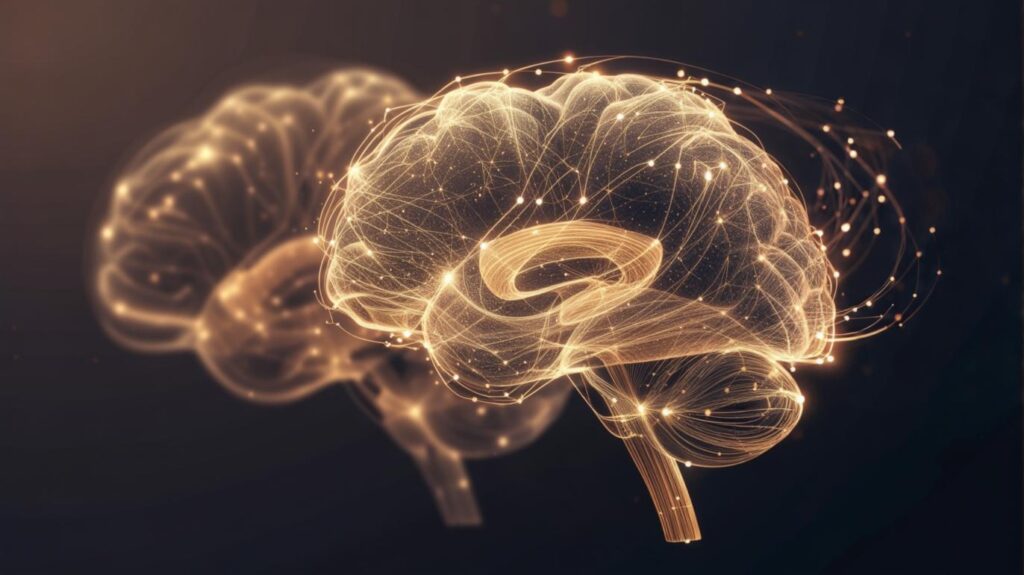
Scientists believe these substances work by temporarily changing how the brain connects and communicates, allowing people to see their thoughts and emotions in new ways. However, more research is needed to understand long-term effects and ensure safety.
Legal Context
The legal status of psychedelic-assisted therapy varies around the world:
- Ketamine: Currently legal for medical use in many countries and available in some clinics for depression treatment.
- Psilocybin and MDMA: Still considered illegal in most places but are being studied in clinical trials. Some regions, such as parts of the United States and Canada, have begun allowing limited use under research or medical programs.
- Other Psychedelics: Substances like LSD and DMT remain illegal in most countries, though research continues under strict regulations.
As scientific evidence grows, some governments are reconsidering their policies to allow controlled therapeutic use.
Potential Benefits
- Emotional Healing: Many participants report feeling more connected, open, and at peace after guided sessions.
- Reduced Symptoms: Studies show improvements in depression, anxiety, and trauma-related conditions.
- New Perspectives: Psychedelics can help people see their lives and challenges from a different point of view.
- Spiritual Growth: Some people describe a sense of unity, purpose, or deeper understanding of themselves.
Potential Risks
- Emotional Overwhelm: Psychedelic experiences can bring up intense emotions or memories that may be difficult to handle without proper support.
- Physical and Psychological Reactions: Some people may experience nausea, confusion, or anxiety during sessions.
- Not for Everyone: People with certain mental health conditions, such as psychosis or bipolar disorder, may be at higher risk of negative effects.
- Legal and Safety Concerns: Using psychedelics outside of a controlled, legal setting can be dangerous and is not recommended.
The Future of Psychedelic Therapy
Psychedelic-assisted therapy is still developing, but it offers hope for people who haven’t found relief through traditional treatments. As research continues, experts are working to create safe, ethical, and effective ways to use these substances in mental health care.
The future may bring more approved therapies, better understanding of how psychedelics work, and new ways to combine science and compassion in healing the mind.
Final Thoughts
While it shows great promise, it must be approached with care, professionalism, and respect for both science and safety. With continued research and responsible use, these emerging treatments could open new paths toward healing, self-discovery, and emotional well-being.