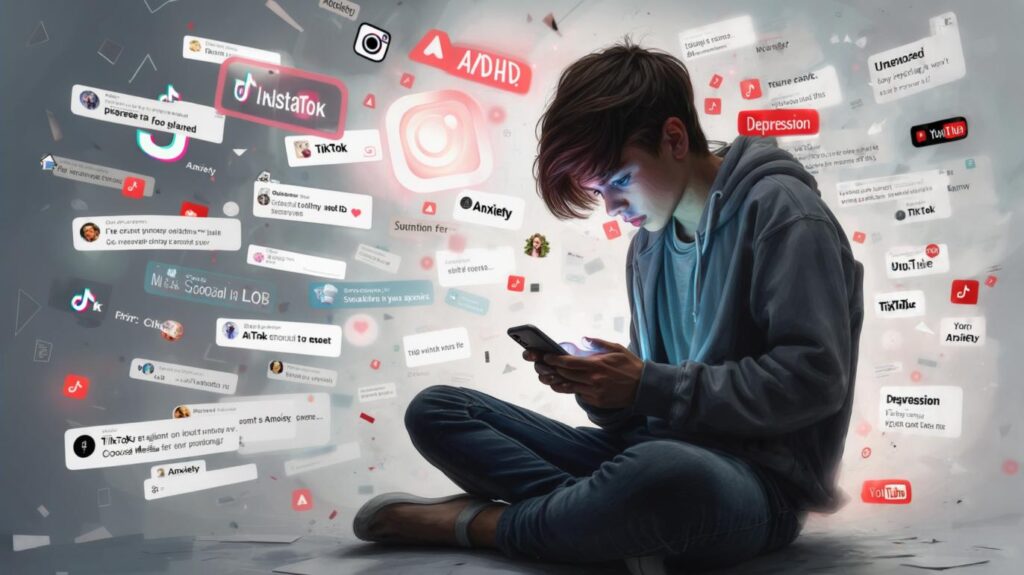
Social media has become one of the most common places where people learn about mental health. Platforms like TikTok, Instagram, and YouTube are filled with videos and posts about anxiety, depression, ADHD, and self-care. While this can help raise awareness and reduce stigma, it also brings a serious problem — misinformation. Not all advice shared online is accurate, and following the wrong information can sometimes do more harm than good.
The Rise of Mental Health Content Online
In recent years, mental health topics have become more visible on social media. Many creators share personal stories, coping tips, or educational content. This openness helps people feel less alone and encourages conversations that were once considered taboo.
However, the same platforms that spread awareness also make it easy for false or oversimplified information to go viral. Short videos and catchy trends can turn complex mental health issues into quick, misleading summaries.
The Risks of Misinformation
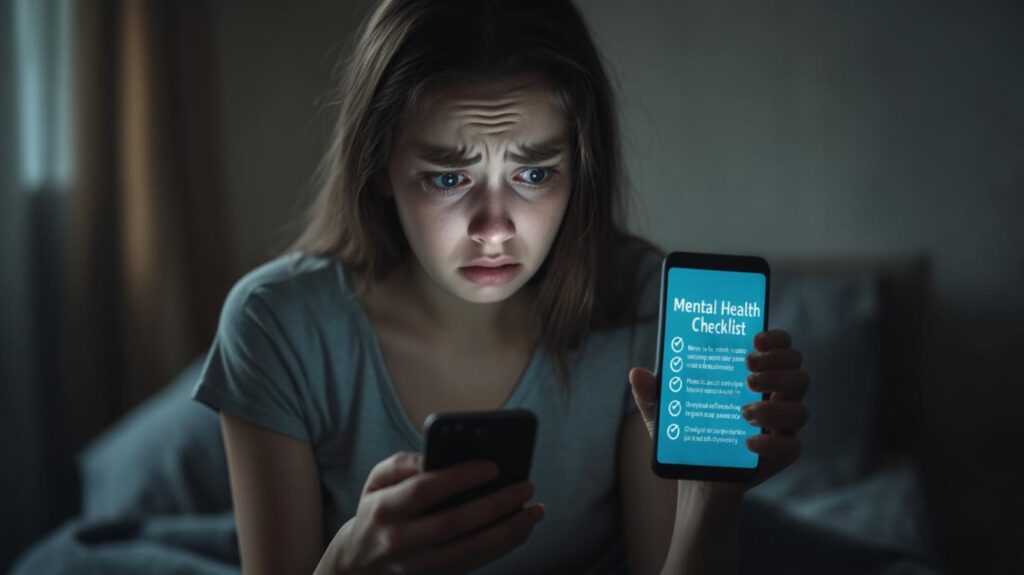
Misinformation about mental health can lead to confusion, self-diagnosis, and even unsafe behavior. Some common risks include:
- Self-Diagnosis: People may label themselves with conditions like ADHD, bipolar disorder, or borderline personality disorder based on short videos or checklists, without professional evaluation.
- Inaccurate Advice: Some creators share coping methods or “cures” that are not supported by science and may delay proper treatment.
- Stigma and Stereotypes: Misleading content can reinforce harmful stereotypes about mental illness or make serious conditions seem like trends.
- Emotional Distress: Constant exposure to negative or exaggerated content can increase anxiety and fear about mental health.
Why Misinformation Spreads So Easily
Social media platforms are designed to reward content that gets attention — not necessarily content that is accurate. Emotional or dramatic posts often spread faster than careful, evidence-based information.
Other reasons include:
- Short-form content: Complex topics are reduced to quick clips or quotes.
- Popularity over expertise: Influencers with large followings may be seen as trustworthy, even if they lack professional training.
- Algorithm bias: Platforms show users more of what they already engage with, creating “echo chambers” of similar content.
How to Find Reliable Mental Health Information
- Check the Source
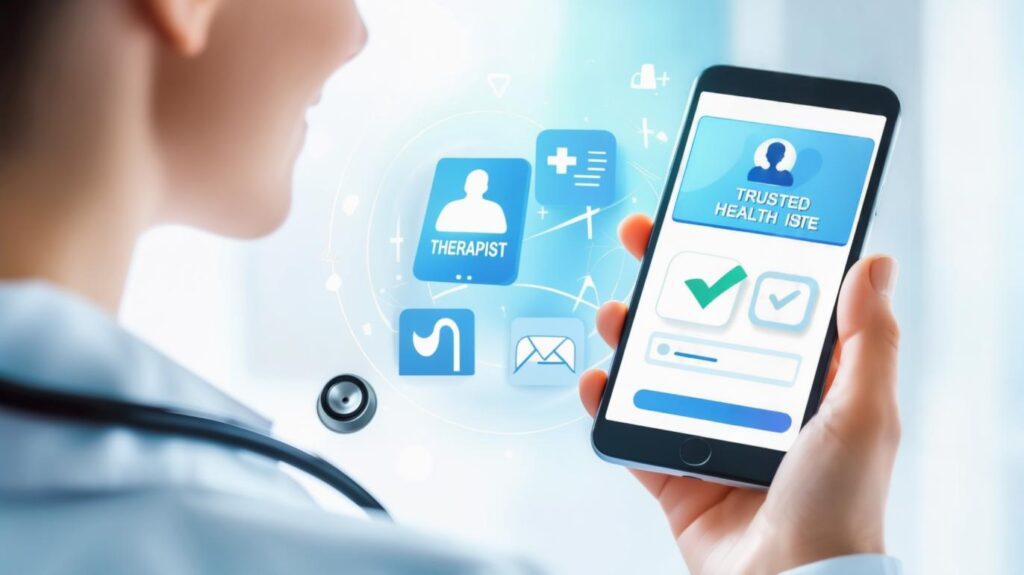
Look for information shared by licensed professionals such as psychologists, psychiatrists, or certified therapists. Reliable accounts often list credentials in their profiles. - Verify with Trusted Organizations
Cross-check information with reputable sources such as:- World Health Organization (WHO)
- National Institute of Mental Health (NIMH)
- Mental Health Foundation
- Local health departments or universities
- Be Cautious with Self-Diagnosis
Online quizzes or symptom lists can be helpful for awareness but should never replace a professional assessment. If something feels concerning, it’s best to talk to a qualified mental health provider. - Look for Evidence-Based Content
Trustworthy information is based on evidence and research, not just what someone believes. Be wary of posts that promise quick fixes or dramatic results. - Limit Exposure to Overwhelming Content
Constantly watching mental health videos can increase stress or confusion. Take breaks and follow accounts that promote balanced, positive discussions. - Ask Professionals for Guidance
If unsure about something seen online, bring it up with a therapist, counselor, or doctor. They can help separate facts from myths.
Encouraging Digital Wellness
Digital wellness means using technology in a way that supports mental and emotional health. This includes setting boundaries, curating social media feeds, and being mindful of how online content affects mood. Following credible educators, mental health organizations, and supportive communities can make social media a more positive space.
Final Thoughts
Social media can be a powerful tool for learning and connection, but it’s important to approach mental health content with care.Misinformation can circulate rapidly, resulting in misunderstanding and negative consequences.By checking sources, seeking professional advice, and practicing digital mindfulness, people can protect their mental well-being while staying informed.
Accurate information saves lives — and understanding the difference between helpful guidance and harmful myths is a key step toward a healthier, more informed online community.