
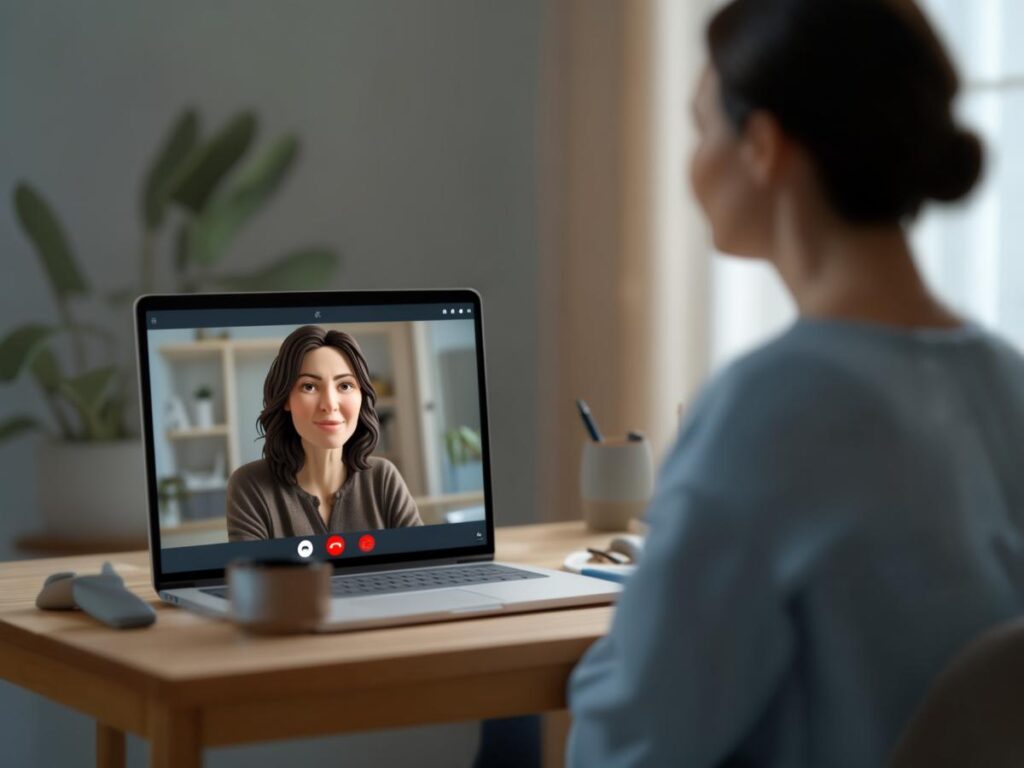
Teletherapy — also known as online counselling or virtual therapy — has become one of the most significant developments in modern mental health care. By using video calls, phone sessions, or secure messaging platforms, people can now access professional psychological support from the comfort of their own homes. This shift has made therapy more accessible, flexible, and inclusive than ever before.
The Rise of Teletherapy
Teletherapy gained widespread attention during the global pandemic, when in-person sessions were limited. Since then, it has continued to grow as both clients and therapists recognize its convenience and effectiveness.
Advances in technology, improved internet access, and secure digital platforms have made it possible for therapists to deliver high-quality care remotely. Today, teletherapy is used for a wide range of mental health concerns, including anxiety, depression, relationship issues, trauma, and stress management.
Accessibility Benefits
- Convenience and Flexibility
Online sessions eliminate travel time and allow people to schedule therapy around work, school, or family commitments. - Expanded Access to Care
Teletherapy helps individuals in rural or remote areas connect with licensed professionals who may not be available locally. - Comfort and Privacy
Many people feel more relaxed discussing personal issues from their own space, which can make therapy more effective. - Continuity of Care
Clients can maintain consistent sessions even when traveling, relocating, or facing mobility challenges. - Reduced Stigma
Accessing therapy online can feel more discreet, encouraging those who might hesitate to seek in-person help.
Effectiveness of Online Therapy
Research shows that teletherapy can be just as effective as traditional face-to-face sessions for many conditions. Cognitive Behavioral Therapy (CBT), mindfulness-based approaches, and talk therapy all adapt well to digital formats.
The key factor is the quality of the therapeutic relationship — trust, empathy, and communication remain central, whether sessions happen online or in person.

Choosing Quality Online Psychological Support
- Check Credentials
Ensure the therapist is licensed and qualified to practice in the relevant region. Professional credentials should be clearly listed on their website or platform profile. - Use Reputable Platforms
Choose services that use secure, encrypted systems to protect privacy. Examples include established telehealth platforms or verified private practices. - Understand the Approach
Different therapists use different methods — such as CBT, psychodynamic therapy, or solution-focused therapy. Reading about their approach helps find the right fit. - Ask About Confidentiality
Confirm how sessions are protected, how data is stored, and whether the platform complies with privacy regulations. - Assess Comfort and Connection
The therapeutic relationship is key. If the connection doesn’t feel right after a few sessions, it’s okay to try another therapist. - Consider Practical Factors
Check session length, cost, scheduling options, and whether the therapist offers video, phone, or text-based sessions.
Potential Limitations
While teletherapy offers many advantages, it may not suit everyone. Some people prefer in-person interaction, especially for severe mental health conditions or crisis situations. Technical issues, distractions at home, or lack of privacy can also affect the experience.
In such cases, hybrid models — combining online and in-person sessions — can provide flexibility while maintaining personal connection.
The Future of Online Counselling
Teletherapy is likely to remain a core part of mental health care. As technology evolves, new tools such as AI-assisted scheduling, digital assessments, and virtual reality environments may further enhance therapy experiences.
The focus will continue to be on accessibility, personalization, and maintaining ethical standards to ensure that digital therapy remains safe and effective.
Final Thoughts
Teletherapy has opened new doors for mental health support, breaking down barriers of distance, time, and stigma. With careful selection of qualified professionals and secure platforms, online counselling can offer the same compassion, insight, and healing as traditional therapy — all while fitting seamlessly into modern life.
The rise of teletherapy marks a new era in mental health care — one where help is only a click away, and emotional well-being is more accessible than ever.