
Mental health among youth and adolescents has become a growing global concern. Rapid social change, academic pressure, and digital connectivity have reshaped how young people experience and manage emotional well-being. Generation Z — those born roughly between the late 1990s and early 2010s — faces unique challenges but also demonstrates remarkable openness and innovation in seeking mental health support.
Current Trends in Youth Mental Health
Recent studies show rising rates of anxiety, depression, and stress among teenagers. Factors such as social media influence, climate anxiety, academic competition, and global uncertainty contribute to emotional strain. However, awareness and willingness to seek help are also increasing, signaling a cultural shift toward openness and self-care.
Key trends include:
- Increased awareness: Mental health conversations are more visible in schools, families, and online spaces.
- Reduced stigma: Young people are more likely to discuss emotions and seek therapy than previous generations.
- Focus on prevention: Schools and organizations are emphasizing early intervention and emotional education.
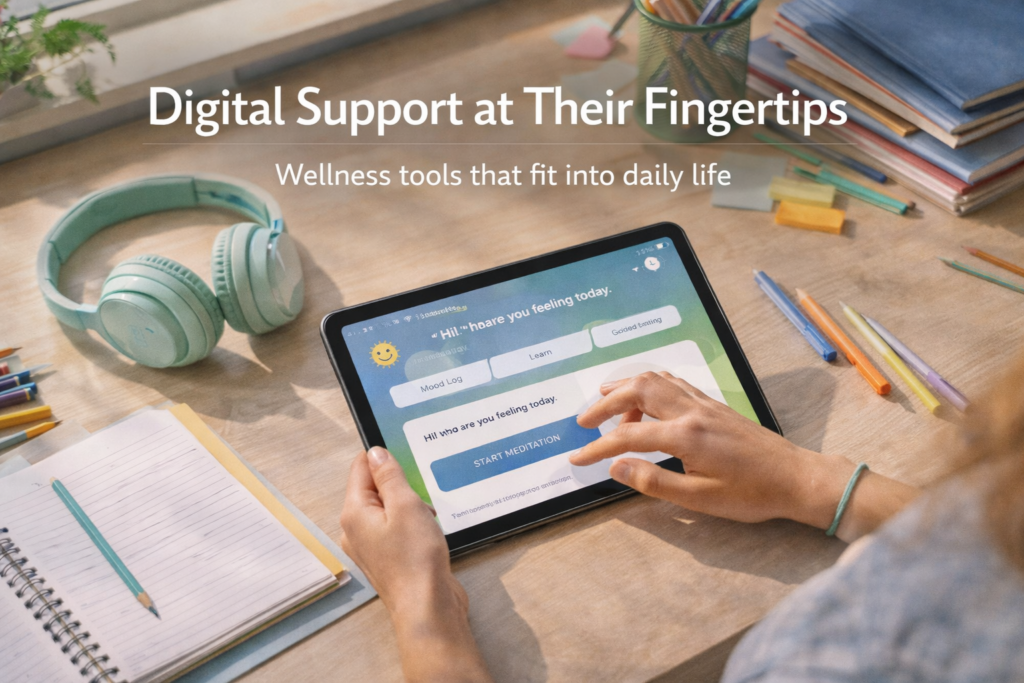
- Integration of technology: Digital tools are becoming central to how youth access mental health resources.
How Gen Z Uses Technology for Mental Health Support
Technology plays a dual role in youth mental health — both as a source of stress and as a tool for healing. Gen Z, being digital natives, uses technology creatively to connect, learn, and manage emotions.
- Mental Health Apps
Apps offering mindfulness, journaling, and therapy support have become popular among teens. Platforms like Calm, Headspace, and Moodpath provide guided meditations, mood tracking, and coping exercises that fit into daily routines.
- Online Therapy and Counseling
Virtual therapy sessions make mental health care more accessible and less intimidating. Many young people prefer texting or video sessions with licensed professionals, reducing barriers such as cost, location, or stigma.
- Peer Support Communities
Online forums and social media groups allow youth to share experiences and find solidarity. Platforms like Reddit, Discord, and specialized mental health communities provide safe spaces for discussion and mutual encouragement.
- Educational Content and Influencers
Mental health educators and advocates on TikTok, YouTube, and Instagram are helping normalize therapy and emotional awareness. Short, relatable content makes psychological concepts more approachable and engaging.
- AI and Chat-Based Tools
Emerging technologies, including AI-driven chatbots, offer immediate emotional support and coping strategies. While not a replacement for therapy, these tools provide comfort and guidance during moments of stress.
Challenges in the Digital Mental Health Landscape
While technology offers valuable support, it also presents risks that can affect youth well-being.
- Information overload: Exposure to constant mental health content can lead to self-diagnosis or confusion.
- Comparison culture: Social media can amplify feelings of inadequacy and anxiety.
- Privacy concerns: Sharing personal experiences online may expose users to judgment or data misuse.
- Screen fatigue: Excessive digital engagement can disrupt sleep and emotional regulation.
Balancing digital use with offline coping strategies is essential for sustainable mental health.
Supporting Youth Mental Health Beyond Technology
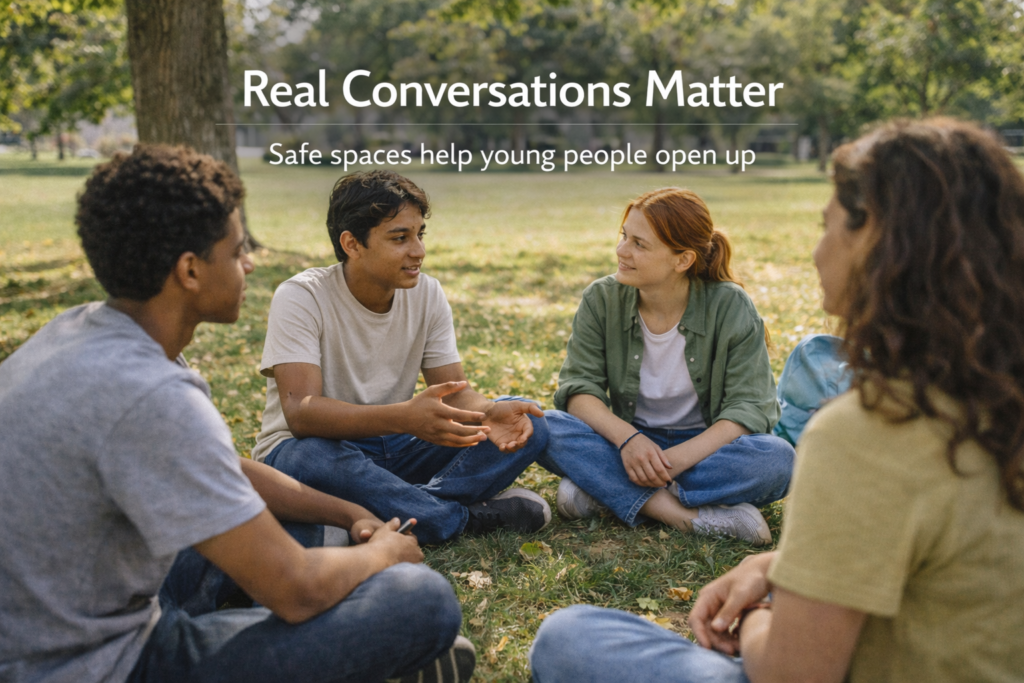
Technology is only one part of the solution. Building emotional resilience and supportive environments remains crucial.
Effective approaches include:
- School-based programs: Integrating emotional literacy, mindfulness, and peer support into education.
- Parental involvement: Encouraging open communication and modeling healthy coping behaviors.
- Community engagement: Providing safe spaces for youth to connect offline through sports, arts, and volunteering.
- Access to professional care: Expanding affordable and youth-friendly mental health services.
The Strengths of Gen Z’s Approach
Gen Z’s openness about mental health marks a cultural transformation. They value authenticity, inclusivity, and collective healing. By combining digital tools with self-awareness and advocacy, they are redefining what it means to care for mental well-being.
Final Thoughts
Youth and adolescent mental health is at a pivotal moment. While challenges such as stress, social pressure, and digital overload persist, the growing acceptance of mental health care and the innovative use of technology offer hope.
By supporting young people with empathy, education, and accessible resources — both online and offline — society can empower the next generation to thrive emotionally, mentally, and socially.