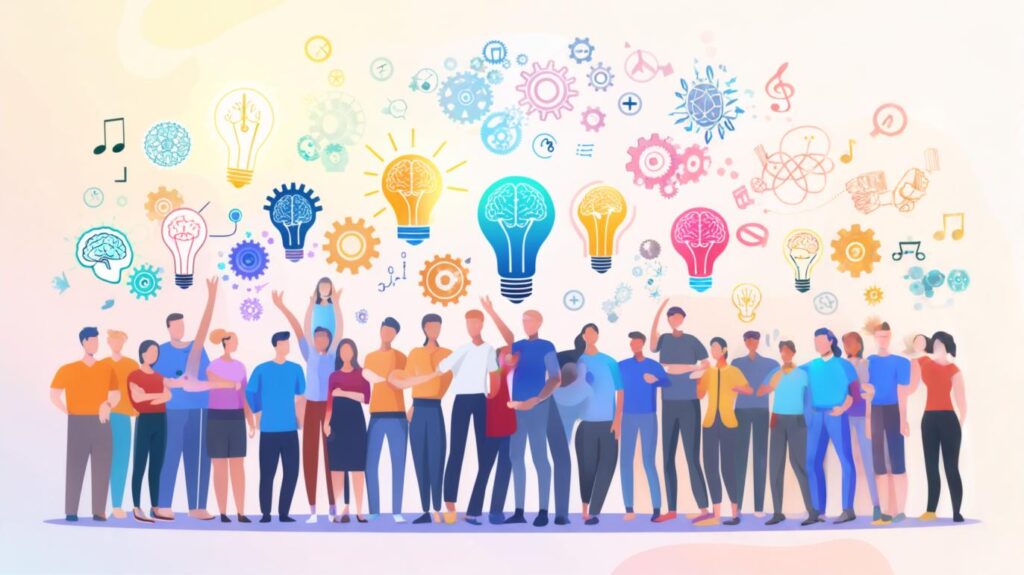
Neurodiversity is the idea that differences in how people think, learn, and process information are natural variations of the human brain — not problems to be fixed. This perspective encourages understanding and acceptance of conditions such as ADHD, autism, and dyslexia as part of human diversity. Instead of focusing only on what’s “wrong,” the neurodiversity movement highlights unique strengths and talents that come with these differences.
Understanding Neurodiversity
The term neurodiversity was first used in the 1990s to describe the wide range of ways human brains function. It challenges the traditional medical model that views neurological differences as disorders needing correction. Instead, it promotes a strength-based approach that values each person’s abilities and perspectives.
Neurodiversity includes many conditions, but some of the most recognized are:
- ADHD (Attention-Deficit/Hyperactivity Disorder)
- Autism Spectrum Disorder (ASD)
- Dyslexia and other learning differences
- Dyspraxia, Tourette’s Syndrome, and more
ADHD: Creativity and Energy in Action
People with ADHD often experience challenges with focus, organization, and impulse control. However, they also tend to be energetic, creative, and quick thinkers. Many excel in fast-paced environments or roles that require innovation and problem-solving.
Common strengths:
- High energy and enthusiasm
- Strong imagination and creativity
- Ability to think outside the box
- Resilience and adaptability
Common challenges:
- Difficulty with time management or attention
- Restlessness or impulsivity
- Struggles with traditional classroom or office structures
With understanding and support — such as flexible workspaces, clear routines, and positive feedback — people with ADHD can thrive.
Autism: Focus, Honesty, and Unique Perspectives
Autism is a spectrum, meaning each person’s experience is different. Some may find social communication challenging, while others may have strong interests or sensory sensitivities. Yet, many autistic individuals have exceptional focus, honesty, and attention to detail.
Common strengths:
- Deep knowledge in areas of interest
- Strong memory and pattern recognition
- Honesty and reliability
- Unique problem-solving approaches
Common challenges:
- Difficulty understanding social cues or unspoken rules
- Sensory overload in noisy or crowded environments
- Need for routine and predictability
Creating inclusive spaces — with clear communication, sensory-friendly environments, and respect for differences — helps autistic individuals share their full potential.
Dyslexia: Seeing the World Differently

Dyslexia affects how people read, write, and process language, but it does not reflect intelligence. Many people with dyslexia are highly creative and strong visual thinkers. They often excel in design, storytelling, and problem-solving.
Common strengths:
- Strong visual and spatial reasoning
- Innovative and big-picture thinking
- Excellent verbal communication skills
- Creative problem-solving
Common challenges:
- Difficulty with reading, spelling, or writing
- Slower processing of written information
- Frustration in traditional learning environments
With tools like text-to-speech software, visual learning methods, and supportive teaching, people with dyslexia can succeed academically and professionally.
The Shift to a Strength-Based Perspective
For many years, society viewed neurodivergent conditions mainly through a medical or “deficit” lens — focusing on what people couldn’t do. The neurodiversity movement changes that narrative by emphasizing what people can do.
This shift encourages:
- Inclusion: Recognizing that different ways of thinking enrich workplaces, schools, and communities.
- Empowerment: Helping neurodivergent individuals use their strengths to reach their goals.
- Education: Teaching others to understand and respect neurological differences.
- Accessibility: Designing systems and environments that support all types of learners and thinkers.
Advocacy and Acceptance
Advocacy plays a key role in promoting neurodiversity. It involves raising awareness, challenging stereotypes, and ensuring equal opportunities. Many organizations and individuals are working to create inclusive education systems, workplaces, and policies that celebrate neurological differences.
True acceptance means moving beyond tolerance — it means valuing neurodivergent people for who they are and recognizing their contributions to society.
Final Thoughts
Neurodiversity reminds us that there is no single “right” way to think, learn, or experience the world. ADHD, autism, dyslexia, and other neurological differences bring both challenges and incredible strengths.
By shifting from a pathology-focused model to a strength-based perspective, society can create spaces where everyone — regardless of how their brain works — has the chance to succeed, belong, and thrive.