
Virtual Reality (VR) therapy is an innovative approach that uses immersive technology to support mental health treatment. By creating realistic, computer-generated environments, VR allows people to face fears, manage stress, and practice coping skills in a safe and controlled setting. This technology is transforming how therapists treat conditions such as anxiety, phobias, and post-traumatic stress disorder (PTSD).
What Is Virtual Reality Therapy?
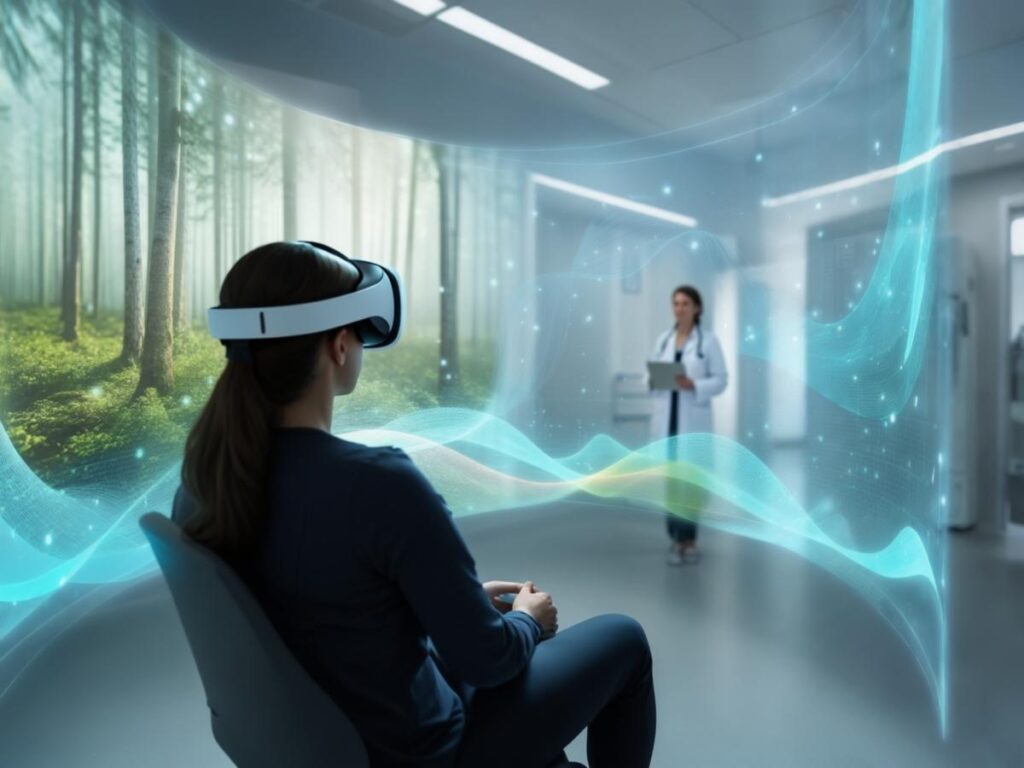
VR therapy involves using a headset and specialized software to simulate real-life situations. During a session, individuals interact with virtual environments that reflect their specific challenges or goals. A therapist guides the experience, helping the person process emotions and practice new responses.
Unlike traditional talk therapy, VR therapy engages multiple senses—sight, sound, and sometimes touch—to create a powerful sense of presence. This makes it easier for people to confront difficult experiences or practice coping techniques in a realistic but safe space.
VR in Exposure Therapy
Exposure therapy is a well-known treatment for anxiety and phobias. It helps people gradually face the situations or objects that cause fear, reducing avoidance and building confidence.
VR makes exposure therapy more accessible and flexible by recreating these situations digitally. For example:
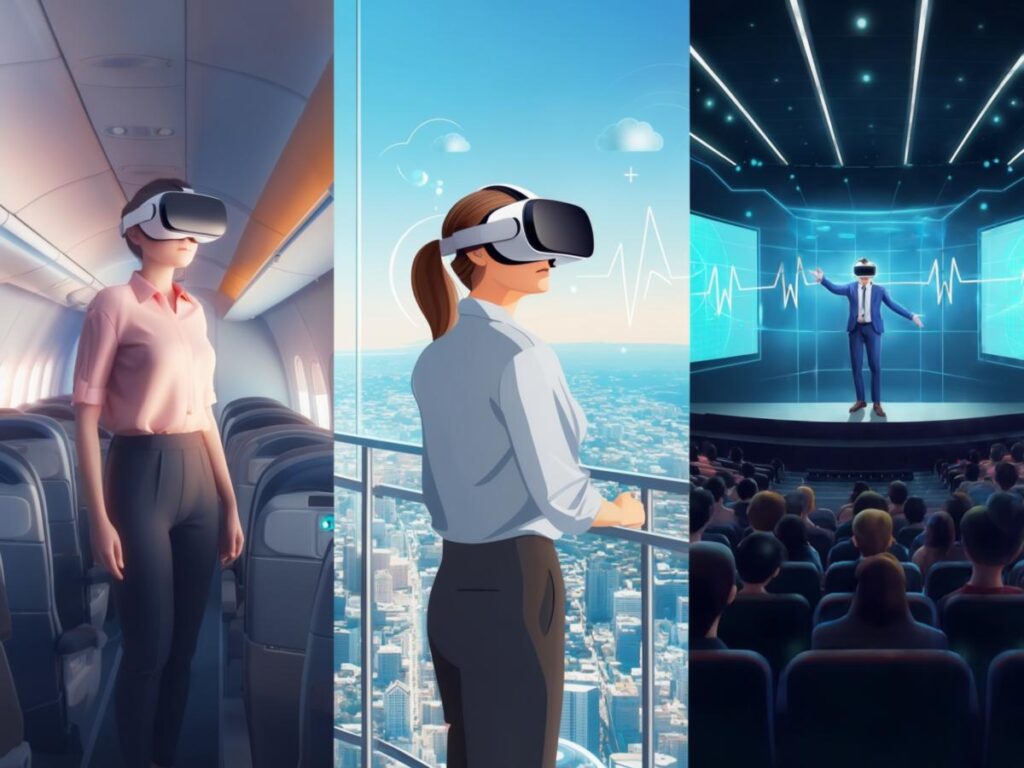
- Someone afraid of flying can experience a virtual airplane takeoff.
- A person with social anxiety can practice speaking in front of a virtual audience.
- Individuals with PTSD can revisit stressful environments under controlled conditions.
Because the environment is virtual, therapists can adjust the intensity of the experience, ensuring that exposure happens at a comfortable pace.
Treating Phobias with VR
VR therapy has shown strong results in treating specific phobias such as fear of heights, spiders, or public speaking. The immersive nature of VR helps the brain respond as if the situation were real, allowing gradual desensitization.
For example:
- Fear of Heights (Acrophobia): Users can stand on a virtual balcony or elevator platform, learning to manage anxiety step by step.
- Fear of Flying: Simulated flights help individuals practice relaxation and breathing techniques.
- Fear of Public Speaking: Virtual audiences provide realistic practice for presentations or interviews.
These experiences help people build confidence and reduce fear responses in real-life situations.
VR for PTSD and Trauma Recovery
VR therapy is also used to help people with PTSD, especially veterans or trauma survivors. By recreating specific environments related to traumatic experiences, therapists can guide patients through controlled exposure and emotional processing.
This approach allows individuals to confront memories safely, with professional support and real-time monitoring. Over time, it can reduce the intensity of trauma-related symptoms and improve emotional regulation.
Immersive Mental Health Interventions
Beyond exposure therapy, VR is being used for a variety of mental health applications, including:
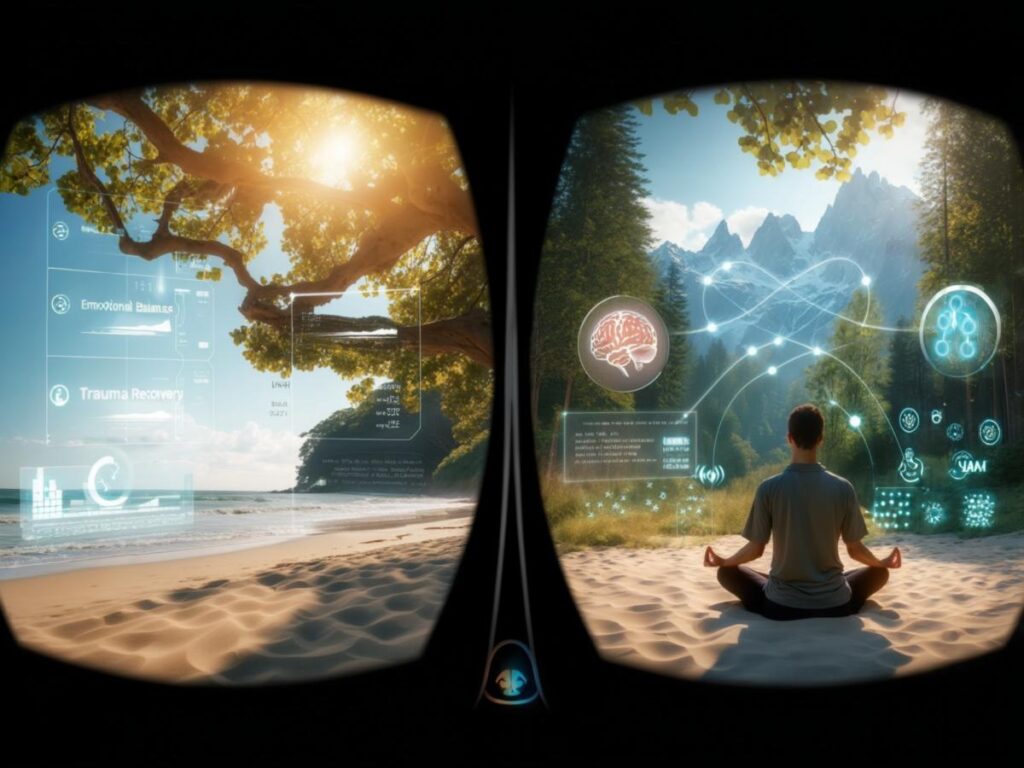
- Mindfulness and Relaxation: Virtual environments such as beaches, forests, or mountains help users practice meditation and stress reduction.
- Pain Management: VR distraction techniques reduce pain perception during medical procedures or chronic pain treatment.
- Social Skills Training: People with autism or social anxiety can practice communication and interaction in virtual settings.
- Cognitive Rehabilitation: VR exercises support memory, attention, and problem-solving skills for individuals recovering from brain injuries.
Benefits of VR Therapy
- Safe and Controlled Environment: Allows exposure without real-world risks.
- Personalized Treatment: Scenarios can be tailored to individual needs.
- Increased Engagement: The immersive experience keeps users focused and motivated.
- Accessibility: VR can bring therapy to people who cannot easily access in-person sessions.
Limitations and Considerations
While VR therapy shows great promise, it also has limitations:
- Cost and Equipment: VR headsets and software can be expensive.
- Technical Issues: Motion sickness or discomfort may occur for some users.
- Need for Professional Guidance: VR therapy should be supervised by trained clinicians to ensure safety and effectiveness.
- Limited Research: Although results are positive, more long-term studies are needed to confirm its full benefits.
The Future of VR in Mental Health
As technology advances, VR therapy is expected to become more affordable and widely available. Future developments may include AI-driven personalization, remote therapy sessions, and integration with wearable devices that track stress and heart rate.
VR has the potential to make mental health care more interactive, engaging, and effective — offering new ways to heal through experience rather than words alone.
Final Thoughts
Virtual Reality therapy represents a powerful blend of technology and psychology. By immersing people in realistic environments, it helps them face fears, manage emotions, and build resilience in ways traditional therapy cannot always achieve.
As research continues, VR therapy may become a key part of modern mental health care — helping people not just imagine change, but experience it firsthand.