
In a world where screens dominate work, communication, and entertainment, taking intentional breaks from technology has become essential for mental clarity and emotional balance. A digital detox — the conscious reduction of screen time and online engagement — helps restore focus, reduce stress, and improve overall well-being. By developing healthy tech habits and curating positive digital spaces, it’s possible to enjoy technology without feeling consumed by it.
The Need for a Digital Detox
Constant connectivity can lead to overstimulation, fatigue, and distraction. Notifications, social media updates, and endless scrolling keep the brain in a state of alertness, making it harder to relax or concentrate. Over time, this can contribute to anxiety, sleep problems, and burnout.
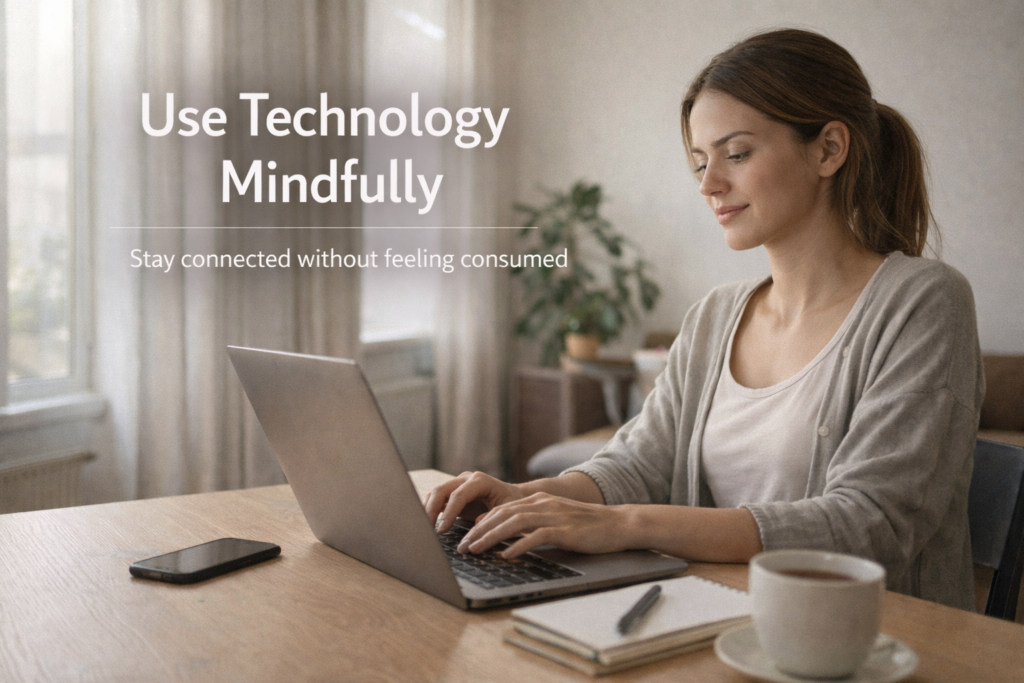
A digital detox doesn’t mean rejecting technology altogether — it’s about using it intentionally and creating space for offline experiences that nurture the mind and body.
Benefits of Taking a Digital Break
- Improved focus and productivity: Reducing digital noise allows deeper concentration and creativity.
- Better sleep quality: Disconnecting before bedtime supports natural rest cycles.
- Enhanced emotional well-being: Less exposure to negative or overwhelming content reduces stress.
- Stronger relationships: More presence in face-to-face interactions strengthens connection.
- Greater self-awareness: Time away from screens encourages reflection and mindfulness.
Strategies for a Successful Digital Detox
- Set Clear Boundaries
Define specific times for checking emails, social media, or news. Avoid screens during meals, before bed, or immediately after waking up.
- Schedule Tech-Free Periods
Dedicate certain hours or days each week to being offline. Use that time for reading, walking, or creative hobbies.
- Turn Off Non-Essential Notifications
Disable alerts that interrupt focus or trigger unnecessary checking. This reduces the urge to constantly pick up devices.
- Create Device-Free Zones
Keep phones and laptops out of bedrooms or dining areas to promote rest and connection.
- Use Apps Mindfully
Track screen time and identify which apps drain energy or mood. Replace them with tools that support learning, creativity, or relaxation.
- Practice “Bloomscrolling”
Instead of doomscrolling through negative or stressful content, bloomscrolling involves intentionally curating uplifting, educational, or inspiring material. Follow accounts that promote positivity, creativity, and well-being.
- Reconnect with Nature
Spending time outdoors helps reset attention and reduce digital fatigue. Even short walks or time in green spaces can restore calm.
- Engage in Offline Activities
Rediscover hobbies that don’t involve screens — such as journaling, cooking, painting, or exercising. These activities provide balance and fulfillment.
- Reflect on Digital Habits
Ask what purpose each digital activity serves. If it doesn’t add value or joy, consider limiting or removing it.
Building Healthy Tech Habits Long-Term
A digital detox is most effective when it leads to lasting change. Sustainable habits include:
- Checking messages at set intervals instead of constantly.
- Using “focus” or “do not disturb” modes during work or rest.
- Practicing gratitude or mindfulness before engaging online.
- Setting social media time limits to prevent overuse.
These small adjustments help maintain balance between digital engagement and real-world presence.
The Role of Positive Digital Spaces
Technology can also be a source of growth and connection when used intentionally. Curating a positive digital environment — through bloomscrolling, supportive communities, and educational content — transforms online time into something enriching rather than draining.
Final Thoughts
A digital detox is not about disconnecting from the modern world but about reconnecting with what truly matters. By setting boundaries, practicing bloomscrolling, and cultivating mindful tech habits, it’s possible to enjoy the benefits of technology while protecting mental and emotional health.
Healthy digital living means using technology as a tool for inspiration, connection, and balance — not as a source of distraction or stress.