
Emotional resilience refers to a person’s capacity to cope with challenges, bounce back from difficult experiences, and continue to develop despite setbacks.It doesn’t mean avoiding challenges or suppressing emotions — rather, it involves developing the mental and emotional flexibility to navigate difficulties with balance and perspective. Strengthening resilience is a skill that can be cultivated through evidence-based strategies grounded in psychology and neuroscience.
Understanding Emotional Resilience
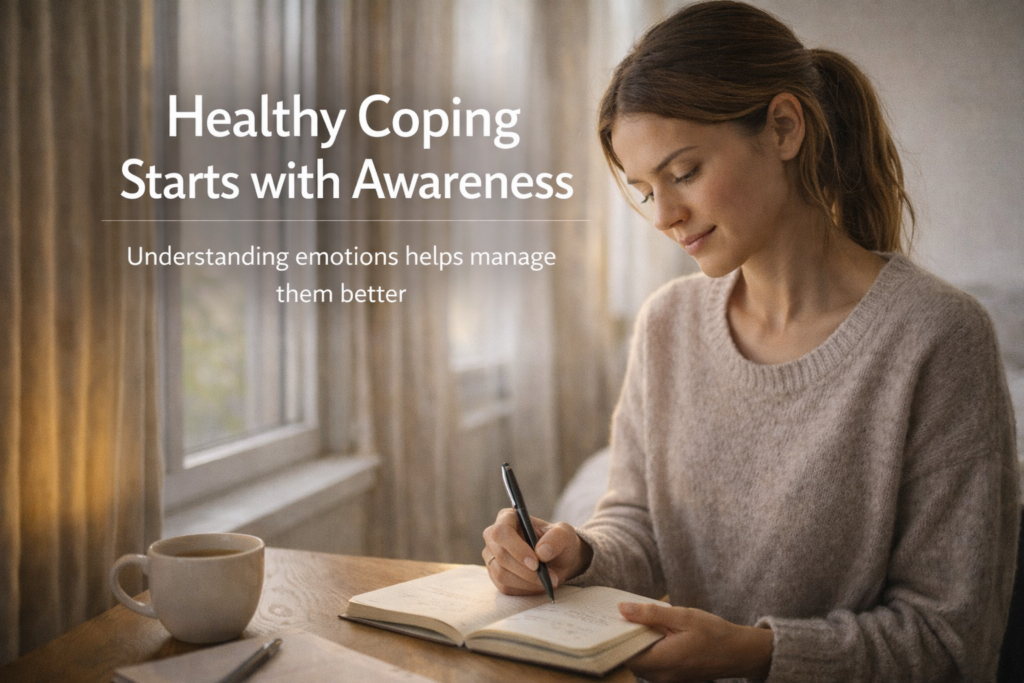
Resilience is not something people are born with or without; it is a flexible process that develops and changes through life experiences. It depends on a combination of internal factors — such as mindset, coping skills, and emotional regulation — and external support like relationships and community.
Resilient individuals tend to:
- Maintain optimism and perspective during setbacks
- Regulate emotions effectively under pressure
- Seek support when needed
- Learn and grow from challenges rather than being defined by them
The Science Behind Resilience
Research in positive psychology and neuroscience shows that resilience is linked to neuroplasticity — the brain’s ability to form new connections and adapt to experiences. Practices that promote mindfulness, gratitude, and social connection can strengthen neural pathways associated with emotional regulation and stress recovery.
Evidence-Based Strategies to Build Resilience
- Cultivate a Growth Mindset
A growth mindset — the belief that abilities and circumstances can improve through effort — fosters adaptability. Viewing challenges as opportunities for learning reduces fear of failure and builds confidence.
Practice: Reframe setbacks as lessons. Ask, “What can be learned from this?”
- Strengthen Emotional Awareness
Recognizing and naming emotions helps manage them more effectively. Emotional awareness prevents overwhelm and supports thoughtful responses.
Practice: Use mindfulness or journaling to identify emotions and their triggers.
- Develop Healthy Coping Mechanisms
Adaptive coping strategies reduce stress and promote recovery. These include problem-solving, relaxation techniques, and seeking social support.
Practice: Replace avoidance or rumination with active coping — such as planning, exercising, or talking with a trusted person.
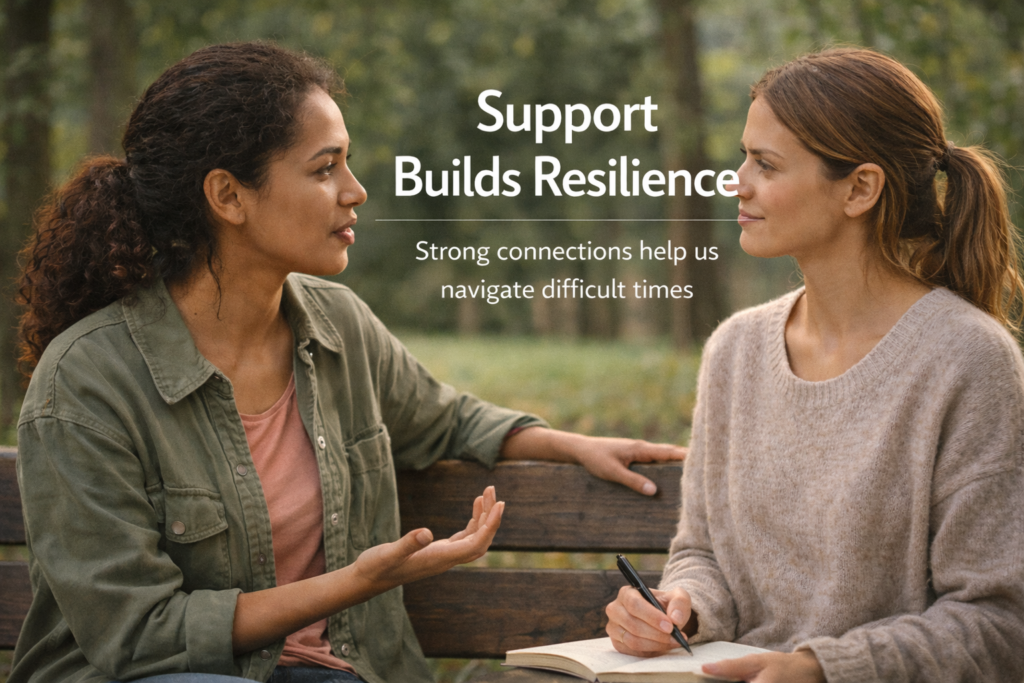
- Build Supportive Relationships
Strong social connections are one of the most reliable predictors of resilience. Supportive relationships provide perspective, comfort, and encouragement during difficult times.
Practice: Nurture relationships through regular communication, empathy, and shared activities.
- Practice Mindfulness and Stress Reduction
Mindfulness helps regulate emotions and reduce reactivity. It trains the brain to stay present and calm under pressure.
Practice: Engage in daily mindfulness exercises such as deep breathing, meditation, or body scans.
- Foster Optimism and Gratitude
Positive emotions broaden perspective and build psychological resources. Gratitude practices shift focus from what’s lacking to what’s working.
Practice: Keep a gratitude journal or reflect on three positive moments each day.
- Maintain Physical Well-Being
Physical health supports emotional stability. Regular exercise, balanced nutrition, and adequate sleep enhance mood and resilience.
Practice: Incorporate movement into daily routines and establish consistent sleep habits.
- Set Realistic Goals and Take Action
Goal-setting provides direction and a sense of control. Breaking challenges into manageable steps prevents overwhelm.
Practice: Identify small, achievable goals and celebrate progress along the way.
- Accept What Cannot Be Controlled
Acceptance reduces emotional resistance and frees energy for what can be changed. It’s a key component of resilience and emotional balance.
Practice: Use acceptance-based strategies such as repeating, “I can’t control everything, but I can control my response.”
Resilience in Times of Adversity
During major life challenges — such as loss, illness, or uncertainty — resilience allows individuals to adapt without losing hope. Support networks, self-compassion, and meaning-making are especially important during these times. Finding purpose in adversity can transform pain into growth and strengthen long-term well-being.
Building Resilience in Communities and Workplaces
Organizations and communities can foster resilience by promoting psychological safety, open communication, and access to mental health resources. Encouraging collaboration, flexibility, and empathy helps individuals and teams recover from setbacks more effectively.
Final Thoughts
Emotional resilience is not about avoiding hardship but about developing the strength to move through it with clarity and courage. Through mindfulness, connection, optimism, and self-care, resilience becomes a lifelong skill that supports mental health and personal growth.
By practicing these evidence-based strategies, it’s possible to face stress and adversity with greater confidence — turning challenges into opportunities for renewal and strength.