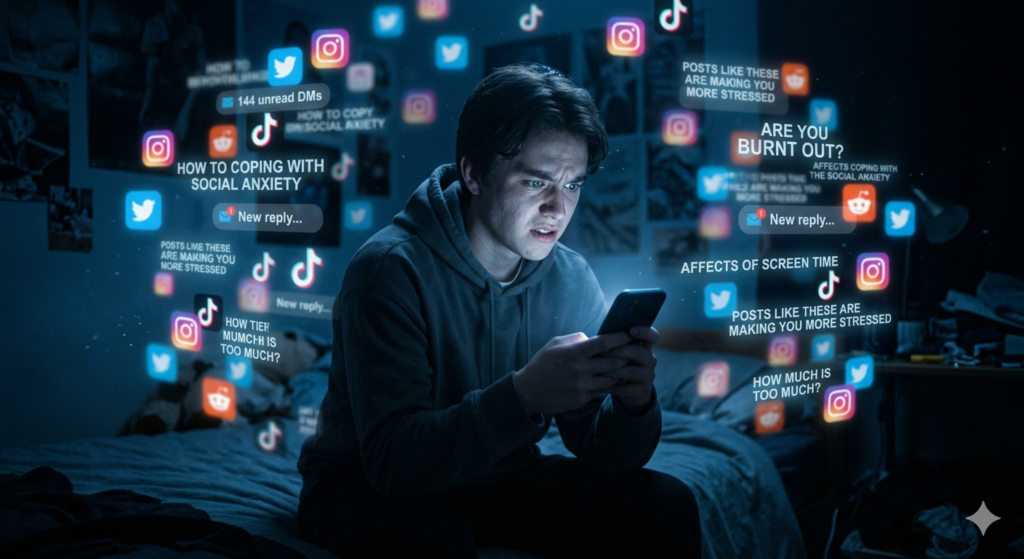
The conversation around mental health has become more visible and accessible than ever, thanks to social media and digital platforms. However, this openness has also given rise to controversial trends that blur the line between awareness and misinformation. From antidepressant memes to influencer-driven wellness advice, the online mental health landscape is both empowering and problematic. Understanding these trends critically is essential for separating genuine support from misleading or harmful narratives.
The Rise of Mental Health Culture Online
Social media has transformed how people talk about mental health. Platforms like TikTok, Instagram, and X (formerly Twitter) have made it easier to share personal experiences, normalize therapy, and reduce stigma. Yet, the same platforms can oversimplify complex psychological issues, turning serious conditions into viral content or aesthetic trends.
This duality — awareness versus distortion — defines much of today’s mental health discourse.
Antidepressant Memes and Mental Health Humor
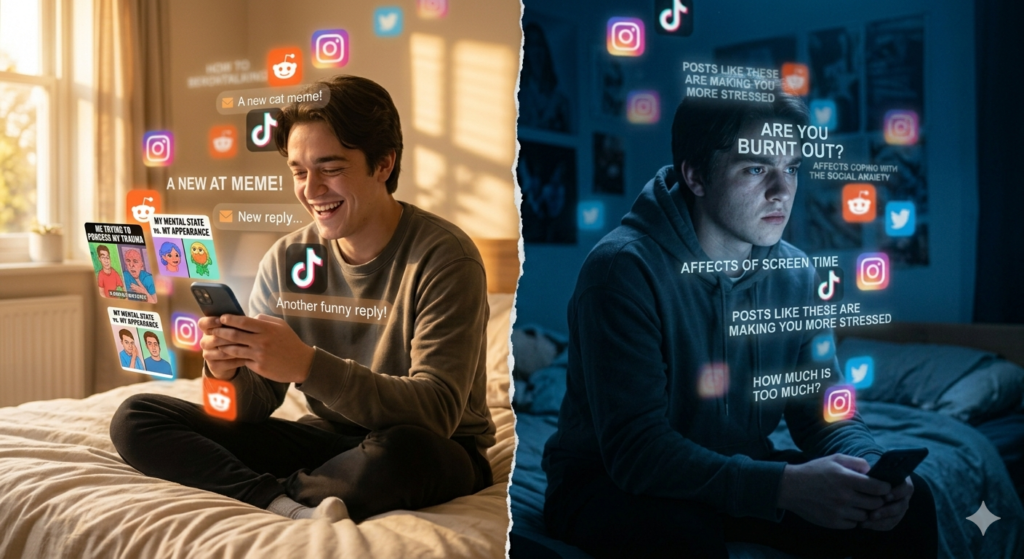
Humor has long been a coping mechanism for dealing with pain, and online communities often use memes to express shared struggles with anxiety, depression, or burnout. These memes can foster connection and validation, helping people feel less alone.
However, the normalization of antidepressant or “sad” memes can also trivialize mental illness. When humor replaces genuine discussion or professional guidance, it risks reinforcing stereotypes or discouraging treatment. The challenge lies in balancing relatability with responsibility — using humor to open conversations, not to minimize them.
Misinformation and Self-Diagnosis Online
The accessibility of mental health content online has empowered many to learn about symptoms and seek help. Yet, it has also led to a surge in self-diagnosis and misinformation. Short-form videos and posts often present complex disorders — such as ADHD, autism, or bipolar disorder — in oversimplified ways.
Risks of online misinformation include:
- Misinterpreting normal emotional fluctuations as clinical disorders.
- Following unverified advice that may conflict with professional treatment.
- Reinforcing stigma through inaccurate portrayals of mental illness.
While online education can be valuable, it should complement — not replace — professional evaluation and evidence-based care.
Influencer Wellness Advice: Help or Hype?
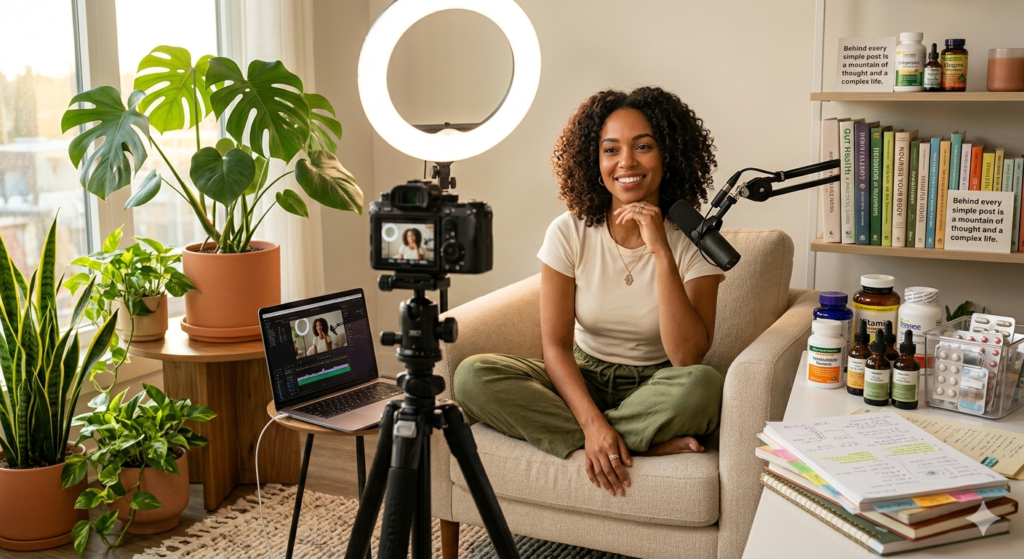
The wellness industry has exploded on social media, with influencers promoting everything from supplements to “manifestation” techniques as mental health solutions. Some offer genuine support and share helpful coping tools, but others spread pseudoscience or promote products without evidence.
Common concerns include:
- Commercialization of mental health: Turning self-care into a consumer trend.
- Unqualified advice: Influencers without clinical training offering therapeutic guidance.
- Toxic positivity: Oversimplifying healing by suggesting that mindset alone can cure mental illness.
Critical thinking is essential when consuming wellness content. Evidence-based practices — such as therapy, medication, and lifestyle changes — remain the foundation of effective mental health care.
The Role of Algorithms and Virality
Social media algorithms amplify content that triggers strong emotional reactions. Posts about trauma, anxiety, or depression often go viral because they resonate deeply — but virality doesn’t equal accuracy. This dynamic can distort perceptions of mental health, making extreme or sensationalized content more visible than balanced perspectives.
Encouraging digital literacy and skepticism helps users navigate this environment more safely.
Balancing Awareness with Accuracy
The democratization of mental health conversations is a positive step toward inclusivity and understanding. However, awareness must be paired with accuracy. Reliable information, professional voices, and critical engagement are key to ensuring that mental health advocacy remains ethical and effective.
Ways to promote responsible mental health content:
- Verify sources before sharing information.
- Follow licensed professionals and credible organizations.
- Encourage nuanced discussions rather than quick fixes.
- Support content that emphasizes empathy and education.
Final Thoughts
Controversial mental health trends reflect both progress and pitfalls in the digital age. While online spaces have made it easier to talk about emotions and seek support, they have also blurred the boundaries between awareness, entertainment, and misinformation.
By approaching these trends critically — questioning sources, valuing expertise, and prioritizing authenticity — it’s possible to preserve the positive aspects of mental health advocacy while minimizing harm. True progress lies in combining open conversation with evidence-based understanding, ensuring that mental health remains a matter of care, not content.