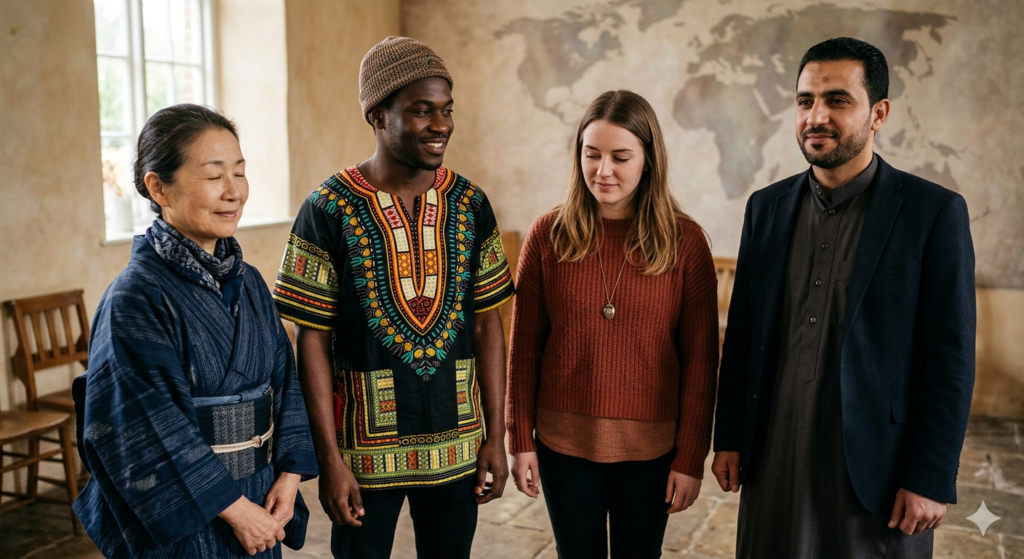
Mental health is a universal aspect of human well-being, yet the ways it is understood, expressed, and treated vary widely across cultures. Cultural beliefs shape how individuals perceive emotional distress, seek help, and define healing. Exploring these perspectives reveals the importance of cultural sensitivity in mental health care and highlights the diverse ways societies approach psychological wellness.
The Role of Culture in Mental Health
Culture influences every dimension of mental health — from how symptoms are described to what is considered “normal” behavior. It affects:
- Perception of illness: Whether mental health issues are viewed as medical, spiritual, or social concerns.
- Expression of distress: How emotions and symptoms are communicated or suppressed.
- Help-seeking behavior: Who individuals turn to for support — family, community leaders, or professionals.
- Treatment approaches: The balance between traditional healing, spirituality, and modern therapy.
Understanding these cultural frameworks is essential for effective and respectful mental health care.

Western Perspectives
In many Western societies, mental health is often viewed through a biomedical lens, emphasizing diagnosis, therapy, and medication. Psychological well-being is seen as an individual responsibility, and professional treatment — such as psychotherapy or psychiatry — is widely accepted.
Key characteristics:
- Focus on evidence-based interventions.
- Emphasis on self-awareness and personal growth.
- Increasing openness about mental health conversations.
However, this approach can sometimes overlook the social and communal dimensions of healing that are central in other cultures.
Eastern and Collectivist Perspectives
In many Asian, Middle Eastern, and African cultures, mental health is often understood within a collectivist framework, where family and community play central roles. Emotional distress may be interpreted as a disruption of harmony rather than an individual disorder.
Common features:
- Preference for family-based or community support.
- Integration of spiritual or religious practices in healing.
- Stigma surrounding open discussion of mental illness, often due to concerns about family reputation or social standing.
For example, in some East Asian cultures, mental health symptoms may be expressed through physical complaints — such as fatigue or headaches — rather than emotional language, reflecting cultural norms around emotional restraint.
Indigenous and Traditional Healing Practices
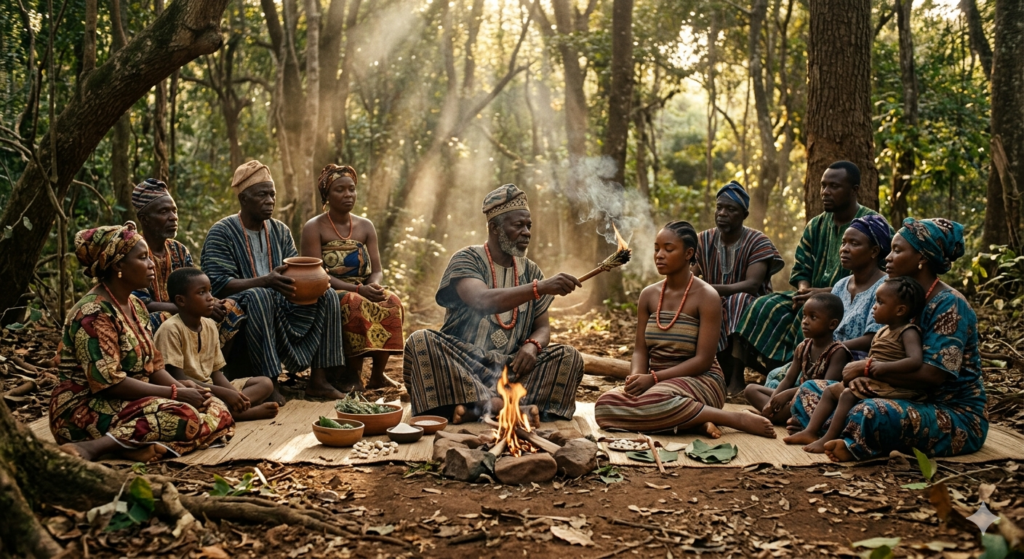
Indigenous cultures around the world often view mental health holistically, connecting mind, body, spirit, and environment. Healing practices may involve rituals, storytelling, herbal medicine, or community ceremonies that restore balance and connection.
Examples include:
- Native American traditions: Emphasis on spiritual harmony and connection to nature.
- African traditional healing: Use of ancestral guidance, herbal remedies, and communal rituals.
- Aboriginal Australian practices: Focus on “social and emotional well-being” rather than individual pathology.
These approaches highlight the importance of belonging, identity, and spirituality in mental wellness.
Middle Eastern and South Asian Perspectives
In many Middle Eastern and South Asian societies, mental health is often intertwined with religious and moral beliefs. Faith-based coping — such as prayer, meditation, or consultation with spiritual leaders — is common.
While stigma remains a barrier to seeking professional help, awareness is growing through education and advocacy. Younger generations are increasingly blending traditional values with modern psychological approaches.
Latin American Perspectives
Latin American cultures often emphasize familismo — the importance of family bonds — and personalismo, valuing warmth and empathy in relationships. Mental health care may involve both professional therapy and spiritual or community-based support.
Religious faith, particularly Catholicism, plays a significant role in coping and healing, while social connection and collective resilience are seen as protective factors against stress.
Challenges in Cross-Cultural Mental Health Care
- Stigma and misunderstanding: Cultural taboos can prevent individuals from seeking help.
- Language barriers: Emotional concepts may not translate directly across languages.
- Cultural mismatch: Western therapeutic models may not align with non-Western worldviews.
- Access and equity: Marginalized groups often face systemic barriers to culturally competent care.
Mental health professionals increasingly emphasize cultural competence — the ability to understand and respect diverse cultural backgrounds — as a cornerstone of effective treatment.
Integrating Cultural Sensitivity in Mental Health Practice
- Culturally adapted therapy: Tailoring interventions to align with cultural values and beliefs.
- Community engagement: Collaborating with local leaders, healers, and families.
- Education and awareness: Reducing stigma through culturally relevant outreach.
- Holistic approaches: Combining traditional wisdom with modern psychology.
These strategies foster trust, inclusivity, and more effective outcomes in mental health care.
Final Thoughts
Cultural perspectives shape how mental health is understood and managed across the world. Recognizing these differences enriches global mental health practice and ensures that care is compassionate, inclusive, and effective.
By valuing both scientific and traditional approaches, societies can create a more holistic understanding of mental wellness — one that honors diversity while promoting healing for all.