
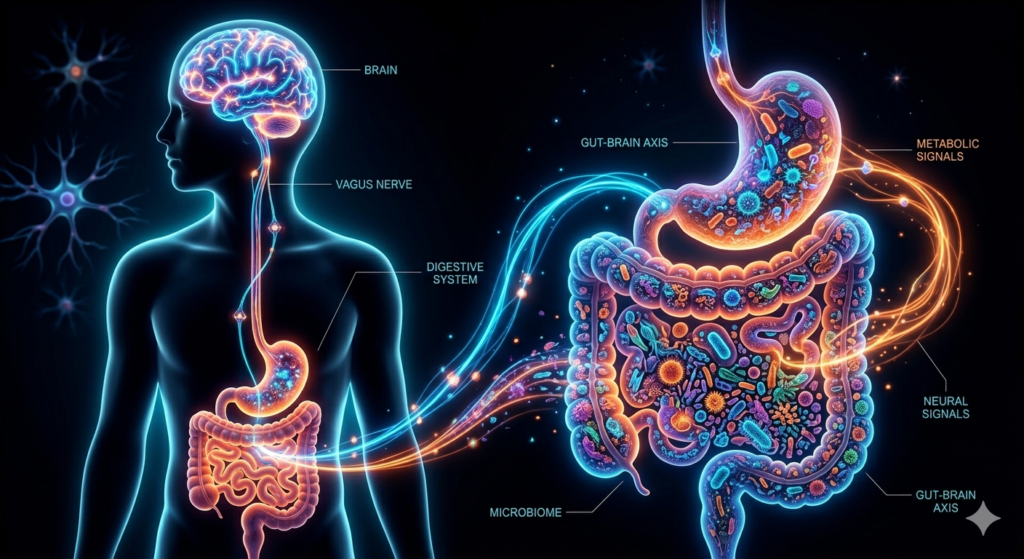
The connection between the gut and the brain is one of the most fascinating discoveries in modern neuroscience and psychology. Known as the gut-brain axis, this complex communication network links the digestive system with the central nervous system, influencing mood, cognition, and overall mental wellness. Emerging research shows that gut health plays a crucial role in emotional regulation, stress response, and even the development of mental health conditions such as anxiety and depression.
Understanding the Gut-Brain Axis
The gut–brain axis is a two-way communication network that connects the central nervous system, the enteric nervous system (often referred to as the “second brain”), and the gut microbiome. Trillions of microorganisms living in the digestive tract.
These systems communicate through:
- Neural pathways: The vagus nerve serves as a key communication channel linking the digestive system to the brain.
- Chemical signaling: Neurotransmitters and hormones produced in the gut influence brain activity.
- Immune system interactions: Gut bacteria regulate inflammation, which affects brain health and mood.
This constant exchange of signals means that what happens in the gut can directly impact how the brain feels and functions.
The Role of the Gut Microbiome
The gut microbiome — a diverse ecosystem of bacteria, fungi, and other microorganisms — plays a central role in mental health. A balanced microbiome supports digestion, nutrient absorption, and immune function, while also producing key neurotransmitters such as serotonin, dopamine, and gamma-aminobutyric acid (GABA).
Key insights:
- About 90% of serotonin, a neurotransmitter linked to happiness and calm, is produced in the gut.
- Certain gut bacteria influence the production of short-chain fatty acids (SCFAs), which reduce inflammation and support brain health.
- Dysbiosis — an imbalance in gut bacteria — has been associated with anxiety, depression, and cognitive decline.
How Digestion Influences Mood and Mental Wellness

1. Neurotransmitter Production
Gut microbes help synthesize neurotransmitters that regulate mood and emotion. When gut health is compromised, neurotransmitter production can be disrupted, leading to mood instability or low energy.
2. Inflammation and Stress Response
An unhealthy gut can trigger systemic inflammation, which affects brain function and increases vulnerability to stress and depression. Chronic inflammation has been linked to fatigue, irritability, and cognitive fog.
3. Hormonal Regulation
The gut influences the release of stress hormones such as cortisol. A balanced gut environment helps moderate the body’s stress response, promoting emotional stability.
4. Nutrient Absorption
Proper digestion ensures the absorption of essential nutrients like B vitamins, magnesium, and omega-3 fatty acids — all critical for brain health and mood regulation.
Psychological Implications of Gut Health
The gut-brain connection has reshaped how mental health is understood and treated. Psychologists and psychiatrists are increasingly considering digestive health as part of holistic mental wellness.
Conditions linked to gut imbalance include:
- Anxiety and panic disorders
- Depression and mood swings
- Irritable bowel syndrome (IBS) with psychological symptoms
- Cognitive decline and memory issues
Therapeutic approaches now often integrate dietary changes, probiotics, and stress management alongside traditional psychotherapy or medication.
Supporting the Gut-Brain Connection

1. Eat for Gut Health
A diet rich in fiber, fermented foods, and plant-based nutrients supports a diverse microbiome.
Examples: Yogurt, kefir, sauerkraut, kimchi, whole grains, fruits, and vegetables.
2. Manage Stress
Chronic stress disrupts gut function and microbial balance. Mindfulness, meditation, and breathing exercises help calm both the mind and the digestive system.
3. Prioritize Sleep
Sleep regulates the circadian rhythms that influence digestion and hormone production. Poor sleep can alter gut bacteria and increase stress sensitivity.
4. Stay Physically Active
Exercise promotes healthy digestion, reduces inflammation, and enhances mood through endorphin release and improved gut motility.
5. Consider Probiotics and Prebiotics
Probiotics introduce beneficial bacteria, while prebiotics (found in foods like garlic, onions, and bananas) feed existing microbes. Together, they help maintain gut balance and support mental clarity.
The Future of Gut-Brain Research
The study of the gut-brain axis is transforming mental health care. Future therapies may include personalized nutrition plans, microbiome-based treatments, and psychobiotics — probiotics specifically designed to improve mood and cognitive function.
As understanding deepens, the gut is increasingly recognized not just as a digestive organ but as a key player in emotional and psychological health.
Final Thoughts
The gut-brain axis reveals that mental wellness begins in the body as much as in the mind. By nurturing digestive health through mindful eating, stress management, and balanced living, it’s possible to support emotional resilience and cognitive vitality.
A healthy gut fosters a healthy mind — reminding that true well-being is a harmony of both physical and psychological balance.