

Self-care is more than a trend — it’s a vital practice for maintaining physical, emotional, and mental well-being. Effective self-care routines are not one-size-fits-all; they are personalized systems that align with individual needs, values, and lifestyles. By intentionally nurturing rest, mindfulness, creativity, and connection, self-care becomes a sustainable foundation for resilience and balance.
The Importance of Personalized Self-Care
Personalized self-care means identifying what truly restores energy and joy. It involves understanding personal stress triggers, emotional needs, and daily rhythms. A well-rounded self-care plan supports the body, mind, and relationships — helping prevent burnout and promoting long-term wellness.
Core Elements of an Effective Self-Care Routine

1. Restorative Sleep
Quality sleep is the cornerstone of self-care. It supports mood regulation, memory, and immune function.
Strategies for better sleep:
- Maintain a consistent bedtime and wake-up schedule.
- Create a calming pre-sleep routine — dim lights, stretch, or read.
- Limit caffeine and screen exposure before bed.
- Keep the bedroom cool, dark, and quiet.
2. Mindfulness and Mental Clarity
Mindfulness helps manage stress and enhances emotional awareness. It trains the mind to stay present and grounded.
Mindfulness practices:
- Daily meditation or deep breathing exercises.
- Journaling to process emotions and reflect on gratitude.
- Short “mindful moments” throughout the day — pausing to notice sensations, thoughts, or surroundings.
3. Creative Outlets
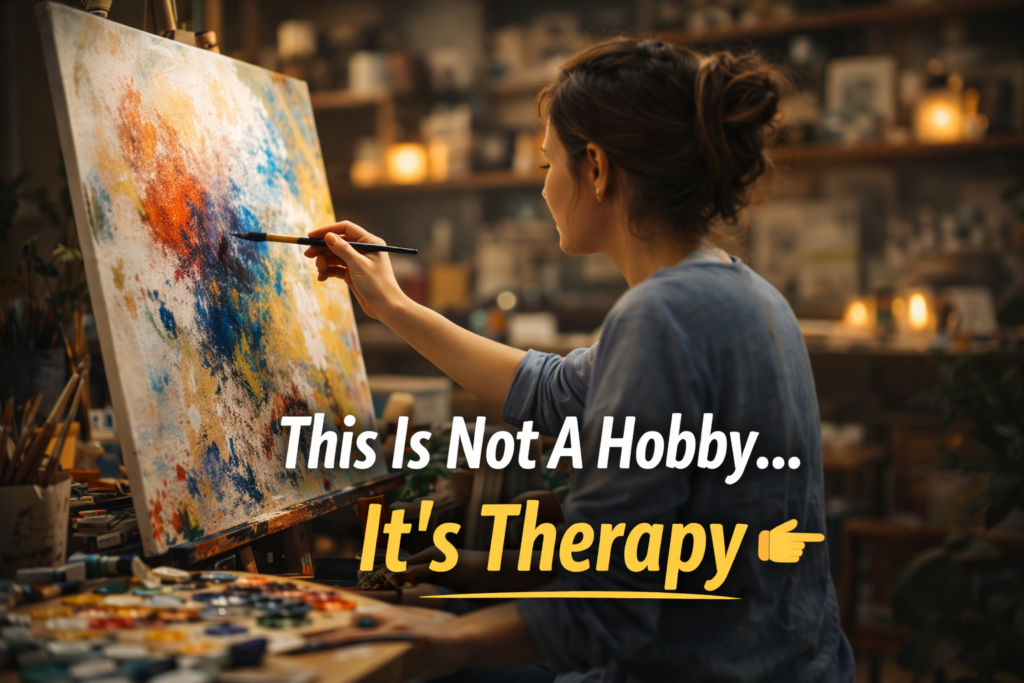
Creative expression is a powerful form of emotional release and self-discovery. It engages the imagination and promotes flow — a state of focused, fulfilling engagement.
Creative self-care ideas:
- Painting, writing, or playing music.
- Cooking or gardening as mindful, sensory activities.
- Trying new hobbies that spark curiosity and joy.
4. Social Connection
Meaningful relationships are essential for emotional health. Connection provides support, perspective, and belonging.
Ways to strengthen connection:
- Schedule regular time with friends or family.
- Join clubs, volunteer groups, or community activities.
- Practice active listening and empathy in conversations.
- Balance social time with solitude to recharge.
Building a Personalized Self-Care Plan
- Assess Needs and Priorities
Identify areas of life that feel depleted — physical, emotional, or social. Reflect on what activities restore energy and what drains it. - Set Realistic Goals
Start small. Incorporate one or two self-care habits consistently before expanding. - Create Structure and Flexibility
Schedule self-care like any other commitment, but allow flexibility for changing needs. - Track and Reflect
Keep a self-care journal to note what works and how it affects mood and energy. Adjust routines as needed. - Integrate, Don’t Isolate
Self-care works best when woven into daily life — small, consistent actions matter more than occasional big efforts.
Examples of Balanced Self-Care Routines
Morning Routine:
- 10 minutes of stretching or light exercise
- Mindful breathing or journaling
- Nutritious breakfast and hydration
Midday Reset:
- Short walk or screen break
- Connecting with a colleague or friend
- Listening to music or a podcast that uplifts mood
Evening Routine:
- Digital detox an hour before bed
- Reflective journaling or gratitude list
- Reading or creative activity before sleep
Sustaining Self-Care Over Time
Consistency is key. Self-care is not indulgence — it’s maintenance. Over time, personalized routines build resilience, improve focus, and enhance emotional stability.
When life becomes demanding, self-care ensures there’s enough energy and clarity to respond effectively rather than react impulsively.
Final Thoughts
Self-care routines that work are those that feel authentic, flexible, and nourishing. By prioritizing sleep, mindfulness, creativity, and connection, it’s possible to create a balanced lifestyle that supports both mental and physical health.
Personalized self-care is an act of self-respect — a daily commitment to well-being that strengthens the capacity to thrive, connect, and grow.