How drugs or alcohol affect mood, thinking, and emotional health
Introduction
When we talk about substance abuse, we often focus on the physical damage—liver problems, heart disease, or respiratory issues. But the psychological effects of long-term substance use can be just as serious, and sometimes even harder to recognize. Drugs and alcohol don’t just affect the body; they change the way the brain works, influencing mood, thinking, memory, and emotional well-being.
Understanding these psychological effects is essential for anyone struggling with addiction or supporting a loved one through recovery. The good news is that with proper treatment and support, many of these effects can improve over time.
How Substances Change the Brain
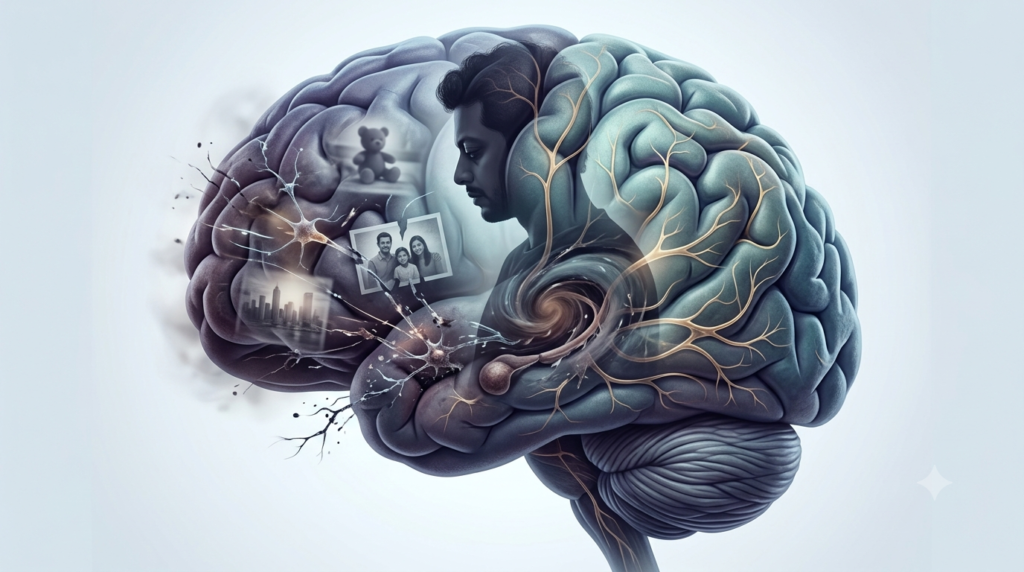
The brain relies on a delicate balance of chemicals called neurotransmitters to regulate mood, emotions, and thinking. Substances like alcohol, cannabis, opioids, cocaine, and other drugs interfere with this balance. Over time, repeated use changes the brain’s structure and function, making it harder to feel pleasure, manage stress, or think clearly without the substance.
Long-term use can damage areas of the brain responsible for:
- Decision-making and judgment
- Memory and learning
- Emotional regulation
- Impulse control
These changes explain why people with substance use disorders often struggle with mental health issues, even after they stop using.
Effects on Mood and Emotions
One of the most common psychological effects of long-term substance use is mood instability. People may experience:
Depression:
Chronic use of alcohol, opioids, or stimulants can lead to persistent sadness, hopelessness, and loss of interest in life. The brain becomes dependent on the substance to produce “feel-good” chemicals, making it difficult to experience natural happiness.
Anxiety:
Many substances initially reduce anxiety, but long-term use often increases it. Withdrawal, cravings, and the stress of maintaining addiction can lead to constant worry, panic attacks, and social anxiety.
Irritability and Anger:
Mood swings, frustration, and aggression are common as the brain struggles to regulate emotions without the substance.
Emotional Numbness:
Some people feel disconnected from their emotions, unable to experience joy, sadness, or love in a meaningful way.
These mood changes can strain relationships, affect work or school performance, and make daily life feel overwhelming.
Impact on Thinking and Cognitive Function

Long-term substance use affects how we think, remember, and process information:
Memory Problems:
Alcohol and drugs can damage the hippocampus, the part of the brain responsible for forming new memories. People may struggle to remember recent events, conversations, or important details.
Poor Concentration:
Difficulty focusing, staying on task, or completing work is common. The brain becomes “foggy,” making it hard to think clearly.
Impaired Judgment:
Substance use weakens the prefrontal cortex, which controls decision-making and impulse control. This leads to risky behavior, poor choices, and difficulty planning for the future.
Slower Thinking: Processing information takes longer, and problem-solving becomes more difficult.
These cognitive effects can interfere with education, employment, and daily responsibilities, creating a cycle of frustration and continued use.
Mental Health Disorders and Dual Diagnosis
Long-term substance use significantly increases the risk of developing mental health disorders, including:
- Major depression
- Generalized anxiety disorder
- Bipolar disorder
- Psychosis (hallucinations, delusions)
- Post-traumatic stress disorder (PTSD)
Many people with substance use disorders have what’s called a “dual diagnosis”—both addiction and a mental health condition. These conditions often feed into each other: substance use worsens mental health symptoms, and mental health struggles make it harder to stop using.
The Path to Recovery

The psychological effects of long-term substance use can feel overwhelming, but recovery is possible. With the right treatment, the brain can heal, and mental health can improve. Effective approaches include:
- Counseling and Therapy: Cognitive Behavioral Therapy (CBT) and other therapies help address the emotional and psychological roots of addiction.
- Medication: Doctors may prescribe medications to manage withdrawal, reduce cravings, and treat co-occurring mental health conditions.
- Support Groups: Peer support provides encouragement and accountability during recovery.
- Healthy Lifestyle Changes: Exercise, nutrition, sleep, and stress management support brain healing and emotional well-being.
Conclusion
Long-term substance use takes a serious toll on mood, thinking, and emotional health. But understanding these effects is the first step toward healing. If you or someone you love is struggling, know that help is available, and recovery is possible. The brain has a remarkable ability to heal when given the chance.
Seeking help is a sign of awareness, not weakness. Take the first step today.
Frequently Asked Questions
Q1: Are the psychological effects of substance use permanent?
Answer: Not always. While long-term use can cause lasting damage, the brain has remarkable healing capacity (neuroplasticity). With abstinence and proper treatment, many cognitive and emotional functions improve significantly within 6-12 months. However, some effects may persist, especially with prolonged heavy use.
Q2: Can substance use cause mental illness?
Answer: Yes. Substance use can trigger mental health disorders in vulnerable individuals or worsen existing conditions. Some substances directly cause psychosis, depression, or anxiety. Additionally, brain chemistry changes from long-term use can lead to persistent mental health issues even after stopping.
Q3: What is dual diagnosis and why does it matter?
Answer: Dual diagnosis means having both a substance use disorder and a mental health condition simultaneously. It matters because both conditions must be treated together for successful recovery. Treating only one often leads to relapse, as the untreated condition triggers continued substance use or mental health decline.
Q4: How long does it take for the brain to recover?
Answer: Recovery varies by individual, substance, duration of use, and severity. Initial improvements appear within weeks, significant healing occurs in 3-6 months, and substantial recovery happens within 1-2 years. Complete abstinence, therapy, and healthy lifestyle choices accelerate healing.
Q5: Why do people become emotionally numb with long-term use?
Answer: Substances hijack the brain’s reward system, flooding it with dopamine. Over time, the brain reduces natural dopamine production and receptor sensitivity. This makes it difficult to feel pleasure from normal activities, leading to emotional flatness and the need for substances just to feel “normal.”
Q6: What’s the connection between trauma and substance use?
Answer: Many people use substances to self-medicate trauma symptoms (flashbacks, nightmares, anxiety). This creates a cycle: substances temporarily numb pain but prevent healing, withdrawal intensifies symptoms, and increased use follows. Trauma-focused therapy is essential for breaking this cycle.