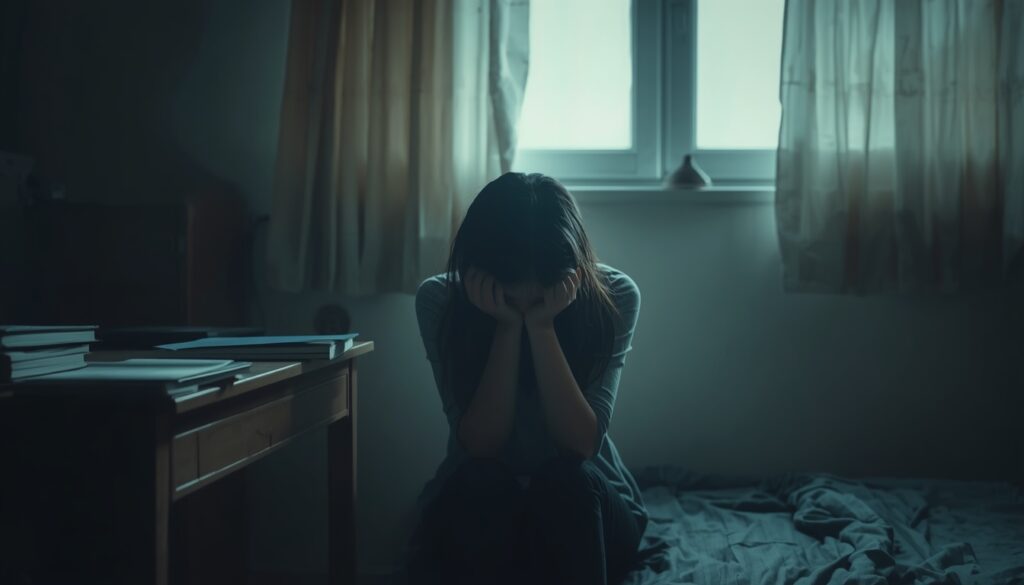
Depression in teenagers and young adults is more than occasional sadness, exam stress, or a bad mood. It is a serious mental-health condition that can affect a person’s thoughts, emotions, behaviour, relationships, studies, work, sleep, and physical health.
Young people do not always say that they feel depressed. Instead, depression may appear as anger, silence, tiredness, poor concentration, loss of interest, social withdrawal, or sudden changes in behaviour. When these changes continue for several weeks or interfere with daily life, they should not be ignored.
Early support can help young people understand what they are experiencing and take steps towards recovery.
What Is Depression?
Depression is a mental-health condition that causes a persistent change in mood and functioning. A depressed teenager or young adult may feel sad, empty, hopeless, irritated, exhausted, or emotionally disconnected.
Everyone feels low sometimes. However, depression usually lasts longer and affects several areas of life. A young person may find it difficult to attend school, complete assignments, maintain friendships, care for themselves, or enjoy activities they once loved.
Depression is not a sign of weakness, laziness, or poor character. It can affect anyone, regardless of academic performance, family background, personality, or social status.
Common Signs of Depression in Teens and Young Adults

Depression can look different from person to person. Some young people may become quiet and withdrawn, while others may appear angry or restless.
Common signs include:
- Feeling sad, empty, hopeless, or emotionally numb
- Becoming unusually irritable or angry
- Losing interest in hobbies, sports, music, friends, or other activities
- Spending more time alone
- Sleeping too much or struggling to sleep
- Eating much less or more than usual
- Feeling tired even after resting
- Finding it difficult to concentrate or make decisions
- Experiencing a drop in school, college, or work performance
- Feeling guilty, worthless, or like a burden
- Complaining of headaches, stomach problems, or unexplained body pain
- Neglecting personal hygiene or appearance
- Using alcohol, drugs, or risky behaviour to cope
- Talking about death, self-harm, or not wanting to live
One sign alone does not confirm depression. The important things to consider are the duration, intensity, and effect on everyday life.
Why Do Teens and Young Adults Develop Depression?
Depression usually does not have one single cause. It may develop because of a combination of biological, emotional, social, and environmental factors.
1. Academic Pressure
Examinations, grades, entrance tests, college admissions, and competition can create intense pressure. Some young people may feel that their entire future depends on their academic performance.
Fear of failure, repeated criticism, or unrealistic expectations can contribute to stress, low self-esteem, and hopelessness.
2. Career and Financial Uncertainty
Young adults may feel anxious about choosing a career, finding employment, becoming financially independent, or meeting family expectations. Repeated disappointments or uncertainty about the future can affect their confidence and emotional health.
3. Family Conflict
Frequent arguments, separation, neglect, financial difficulties, strict parenting, lack of emotional support, or major changes at home can increase emotional distress.
A young person may also feel depressed when they believe they cannot speak openly with their family.
4. Bullying and Online Harassment
Bullying at school, college, work, or online can seriously affect self-esteem. Name-calling, body-shaming, discrimination, exclusion, and cyberbullying may leave a young person feeling unsafe and alone.
5. Loneliness and Social Isolation
Young people can feel lonely even when they are surrounded by others. They may feel misunderstood, rejected, or unable to form meaningful connections.
Social media can sometimes increase these feelings when young people compare their real lives with carefully edited images of other people.
6. Trauma, Grief, or Loss
The death of someone close, abuse, violence, an accident, a serious illness, or the end of an important relationship can affect mental health. Some people begin experiencing depression immediately, while symptoms may appear months later.
7. Family History and Health Conditions
A family history of depression or other mental-health conditions may increase a person’s vulnerability. Certain medical conditions, hormonal changes, chronic pain, and substance use may also affect mood.
This does not mean that depression is unavoidable. It means that several factors may influence a person’s mental wellbeing.
How Can Young People Cope With Depression?
Coping strategies can support recovery, but they should not replace professional treatment when depression is moderate, severe, or persistent.

Talk to Someone You Trust
Sharing your feelings with a trusted person can be an important first step. This may be a parent, sibling, friend, teacher, mentor, counsellor, doctor, or another supportive adult.
Speaking about depression does not make a person weak. It helps others understand what support may be needed.
Create a Small, Manageable Routine
Depression can make ordinary tasks feel overwhelming. Instead of trying to change everything at once, start with small steps:
- Wake up and go to sleep at a regular time
- Take a shower and change clothes
- Eat simple, regular meals
- Complete one important task at a time
- Keep study or work goals realistic
- Take short breaks throughout the day
Small achievements matter, especially during difficult periods.
Stay Physically Active
Gentle movement may help improve energy and reduce stress. Walking, stretching, cycling, dancing, swimming, or playing a sport can be useful.
The aim is not to exercise perfectly. Even a short walk or a few minutes of stretching can be a positive beginning.
Maintain Supportive Connections
Depression often creates a desire to withdraw from others. Although personal space can be helpful, complete isolation may make painful thoughts stronger.
Try to maintain small connections, such as:
- Sending a message to a trusted friend
- Sitting with a family member
- Attending a class or group activity
- Speaking with a teacher or counsellor
- Spending time with someone who makes you feel safe
You do not have to be socially active all the time.
Reduce Harmful Online Comparison
Take breaks from social media if it increases sadness, insecurity, or pressure. Consider unfollowing accounts that make you feel inadequate and following content that is supportive, educational, or calming.
Remember that social media usually shows selected moments, not a complete picture of someone’s life.
Avoid Alcohol and Drugs
Alcohol and drugs may appear to provide temporary relief, but they can worsen depression, sleep problems, impulsive behaviour, and anxiety. They can also make it harder to receive appropriate treatment.
If substance use has already become a problem, speak with a qualified professional rather than trying to manage it alone.
Write Down Feelings
Keeping a simple journal can help a young person identify patterns in mood, sleep, stress, and behaviour. They may write:
- What happened today
- How they felt
- What thoughts came up
- What helped, even slightly
- Who they could contact for support
Journalling is not a replacement for therapy, but it may help someone communicate their experience more clearly.
How Parents and Other Adults Can Help
Parents, teachers, relatives, and mentors can play an important role in supporting a young person.
Listen Without Judging
Choose a calm and private moment. Speak gently and describe what you have noticed.
For example:
Listen patiently. You do not need to provide an immediate solution.
Avoid Dismissive Statements
Try not to say:
- “You are just being dramatic.”
- “Everyone feels this way.”
- “You have nothing to be sad about.”
- “Just think positively.”
- “You should be stronger.”
- “Your grades are the only problem.”
These statements may make the young person feel misunderstood or ashamed.
Encourage Professional Support
Suggest speaking with a psychologist, psychiatrist, counsellor, doctor, or school mental-health professional. Offer practical support, such as helping to arrange an appointment or accompanying them if they feel nervous.
If the young person is under 18, involve a responsible caregiver or professional while respecting their privacy as much as possible. However, safety concerns should always be treated seriously.
Continue Checking In
A young person may not be ready to talk during the first conversation. Continue offering support without pressuring them.
A short message such as “I am thinking about you” or “I am here whenever you want to talk” can help them feel less alone.
When Should Professional Help Be Sought?
Professional help is recommended when symptoms:
- Continue for two weeks or longer
- Affect school, college, work, or relationships
- Interfere with sleep or eating
- Cause severe tiredness or loss of motivation
- Lead to isolation or substance use
- Make self-care difficult
- Become more intense over time
A professional can assess the symptoms and recommend suitable treatment. Depending on the person’s needs, treatment may include counselling, psychotherapy, medication, lifestyle changes, family support, or a combination of approaches.
Young people should not stop prescribed medication suddenly or rely only on advice from social media.
What If a Young Person Talks About Suicide or Self-Harm?
Any mention of suicide, self-harm, death, or not wanting to live should be taken seriously. Do not dismiss it as attention-seeking.
If there is an immediate risk:
- Stay with the person if it is safe to do so.
- Remove access to immediate means of harm when possible.
- Contact local emergency services or take the person to the nearest emergency department.
- Contact a qualified mental-health professional or crisis helpline.
- Inform a responsible family member or trusted adult.
If you are in India, emergency assistance is available through 112, and 24/7 mental-health support is available through Tele-MANAS at 14416 or 1800-89-14416. People in other countries should contact their local emergency number or crisis service.
Final Thoughts
Depression in teens and young adults may appear as sadness, anger, tiredness, falling grades, social withdrawal, physical complaints, or changes in sleep and appetite. These signs are not always easy to recognise, especially when a young person tries to hide their feelings.
The most helpful response is not criticism—it is patience, listening, and support.
If you are experiencing depression, remember that you do not have to manage it alone. If you are worried about someone else, a caring conversation may be the first step towards professional help and recovery.
Frequently Asked Questions
Is depression in teenagers just a normal part of growing up?
No. Mood changes can occur during adolescence, but persistent sadness, irritability, withdrawal, hopelessness, or loss of interest should not automatically be dismissed as normal teenage behaviour.
Can a successful or cheerful student have depression?
Yes. Some young people hide their symptoms and continue performing well at school, college, or work. External success does not always reflect a person’s internal emotional state.
How can I help a friend who refuses to talk?
Let your friend know that you care and are available without forcing them to speak. Continue checking in gently and encourage them to contact a trusted adult or mental-health professional. If they mention self-harm or suicide, seek immediate help.
Can depression be treated?
Yes. Depression is treatable. Professional support may include therapy, medication, lifestyle changes, family involvement, or a combination of these approaches.
How long does depression last?
The duration varies from person to person. Without support, symptoms may continue or become worse. Early assessment and appropriate treatment can support recovery.