Why addiction is a medical issue, not a moral failure

Introduction
“They just need more willpower.” “Why don’t they just stop?” “It’s their own fault.” These are common things people say about those struggling with substance abuse. But these statements reflect a dangerous misunderstanding—one that prevents people from seeking help and keeps families suffering in silence.
The truth is simple but powerful: addiction is not a moral failure. It is a medical condition that affects the brain, just like diabetes affects the pancreas or asthma affects the lungs. Breaking the stigma around substance abuse and mental health is not just about changing words—it’s about saving lives.
Understanding Addiction as a Medical Condition
Addiction, medically known as Substance Use Disorder, is recognized by the World Health Organization (WHO) and medical communities worldwide as a chronic brain disease. Here’s what that means:
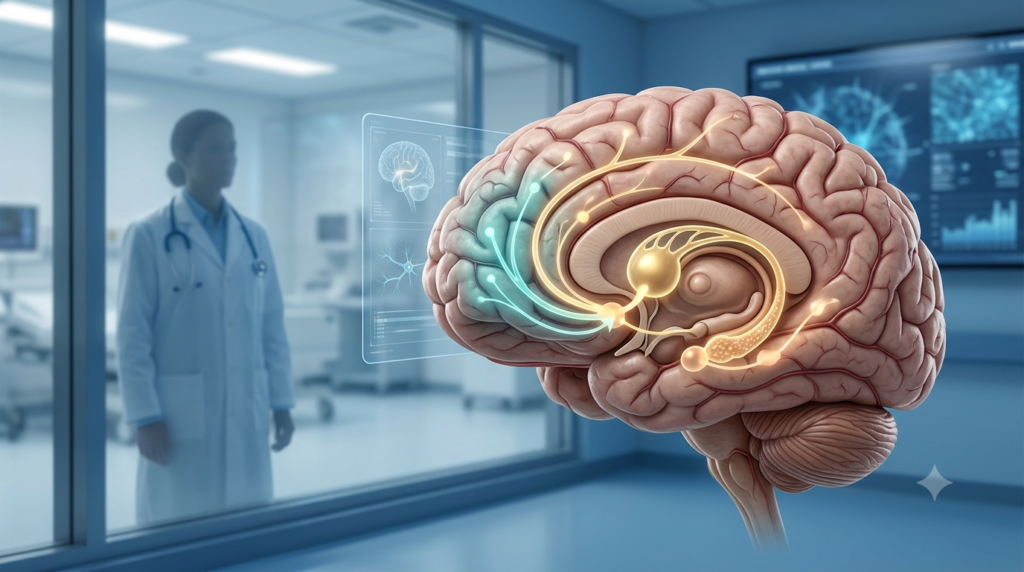
The Brain Changes: When someone uses drugs or alcohol repeatedly, the substances change the brain’s chemistry and structure. The areas responsible for reward, motivation, memory, and self-control are affected. Over time, the brain becomes dependent on the substance to function normally.
It’s Not About Willpower: People with addiction cannot simply “choose” to stop, just as someone with depression cannot “choose” to be happy. The brain’s reward system has been hijacked, making cravings and compulsive use extremely difficult to control without professional help.
Genetics and Environment Matter: Research shows that 40-60% of addiction risk is genetic. Factors like childhood trauma, mental health conditions, stress, and social environment also play significant roles. Addiction is not caused by weak character—it’s caused by a complex mix of biology, psychology, and life circumstances.
The Harm of Stigma
Stigma—the shame, judgment, and discrimination faced by people with substance use disorders—causes real harm:
Prevents People from Seeking Help:
Fear of being judged, labeled, or rejected keeps many people from reaching out for treatment. In India, where family reputation and social standing are deeply valued, this fear can be even stronger.
Worsens Mental Health:
Shame and isolation worsen depression, anxiety, and feelings of hopelessness, making recovery even harder.
Damages Relationships:
Families may hide the problem, avoid conversations, or blame the person instead of supporting them, creating more pain and distance.
Limits Access to Care:
Stigma in healthcare settings, workplaces, and communities can prevent people from getting the medical care, employment, and social support they need to recover.
Why Language Matters
The words we use shape how we think about addiction. Changing our language is a powerful way to break stigma:
Instead of: “Addict,” “Junkie,” “Alcoholic”
Say: “Person with substance use disorder,” “Person in recovery”
Instead of: “Clean” or “Dirty” (referring to drug tests)
Say: “Substance-free” or “Using substances”
Instead of: “Abuse” (which implies intentional harm)
Say: “Substance use disorder” or “Harmful use”
These changes may seem small, but they remind us that people are not defined by their illness. They are individuals deserving of respect, compassion, and care.
How We Can Break the Stigma
1. Educate Yourself and Others:
Learn the facts about addiction as a medical condition. Share accurate information with family, friends, and your community.
2. Show Compassion, Not Judgment:
If someone you know is struggling, offer support instead of criticism. Listen without lecturing. Let them know they are not alone.
3. Speak Openly:
Talking about substance abuse and mental health openly reduces shame and normalizes seeking help. Share stories of recovery and hope.
4. Support Treatment, Not Punishment:
Advocate for access to medical treatment, counseling, and rehabilitation instead of viewing addiction as a criminal or moral issue.
5. Challenge Stereotypes:
When you hear stigmatizing language or attitudes, gently correct them. Remind people that addiction can affect anyone, regardless of background, education, or character.
Recovery is Possible

Millions of people around the world have recovered from substance use disorders and gone on to live healthy, fulfilling lives. Recovery is not only possible—it happens every day. But it requires support, treatment, and a society that sees addiction for what it truly is: a treatable medical condition.
Conclusion
Addiction is not a choice. It is not a sign of weakness. It is a medical issue that deserves the same compassion, understanding, and treatment as any other health condition. By breaking the stigma, we create a world where people feel safe to ask for help, families can heal, and recovery becomes the norm, not the exception.
Let’s replace judgment with compassion. Let’s replace shame with support. Let’s break the stigma—together.
Frequently Asked Questions (FAQs)
Q1. What is substance abuse stigma?
Answer: Substance abuse stigma refers to the negative attitudes, stereotypes, and discrimination faced by people with substance use disorders. Many individuals are unfairly judged as weak, irresponsible, or lacking self-control instead of being recognized as people living with a treatable health condition. This stigma often prevents them from seeking the help they need.
Q2: What should I do if someone discloses their mental health struggle or addiction to me?
Answer: Thank them for trusting you, listen without interrupting or judging, validate their feelings (“That sounds really difficult”), ask how you can support them, keep their confidence, and avoid trying to “fix” them. Simply being present and compassionate is powerful.
Q3: How do I respond when I hear stigmatizing language or jokes about mental health or addiction?
Answer: Speak up calmly: “I know you’re joking, but that language can be hurtful to people struggling with mental health.” Share facts: “Addiction is actually a brain disease, not a choice.” Lead by example with respectful language. You don’t need to be confrontational—education often works better than criticism.
Q4: Is it okay to ask someone about their mental health or recovery?
Answer: It depends on your relationship and their comfort level. Close friends/family can ask with care: “How are you doing with everything?” Respect if they don’t want to discuss it. Don’t ask intrusive questions about details. Let them lead the conversation. Never ask in public or group settings.
Q5: How can I support someone in recovery without enabling them?
Answer: Support means encouraging treatment, celebrating progress, and being emotionally present. Enabling means protecting them from consequences, making excuses, or providing money that might be used for substances. Set healthy boundaries, don’t cover up their behavior, and support their recovery plan without controlling it.