Inspiring real-life stories of rehabilitation and hope
Introduction
Recovery from substance abuse is not just possible—it happens every single day. Behind every statistic is a real person who found the courage to seek help, faced their struggles, and rebuilt their life. These stories remind us that no matter how dark things seem, there is always hope for a better tomorrow.
The following stories represent the journeys of real people (names changed for privacy) who have walked the path of recovery. Their experiences show that with the right support, treatment, and determination, anyone can overcome addiction and reclaim their life.
Rajesh’s Story: From Alcohol Dependence to Family Man
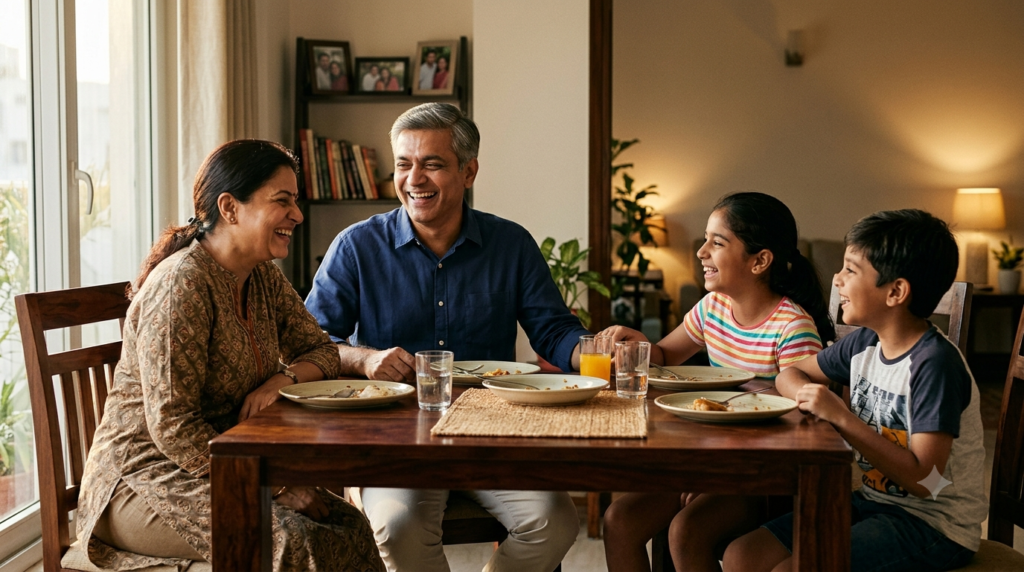
Rajesh, a 42-year-old businessman from Mumbai, started drinking socially in his twenties. Over the years, what began as occasional drinks after work became a daily necessity. By his late thirties, he was drinking heavily every day, missing important family events, and struggling at work.
“I thought I had everything under control,” Rajesh recalls. “But my wife sat me down one evening and told me she was scared for our children. That moment broke me—but it also saved me.”
Rajesh checked into a de-addiction center where he underwent detoxification, counseling, and group therapy. He learned that his drinking was a way of coping with work stress and childhood trauma he had never addressed.
Today, three years sober, Rajesh runs a successful business and volunteers at the same center that helped him. “Recovery gave me my family back. It gave me back. If I can do it, anyone can.”
Priya’s Story: Breaking Free from Prescription Drug Addiction
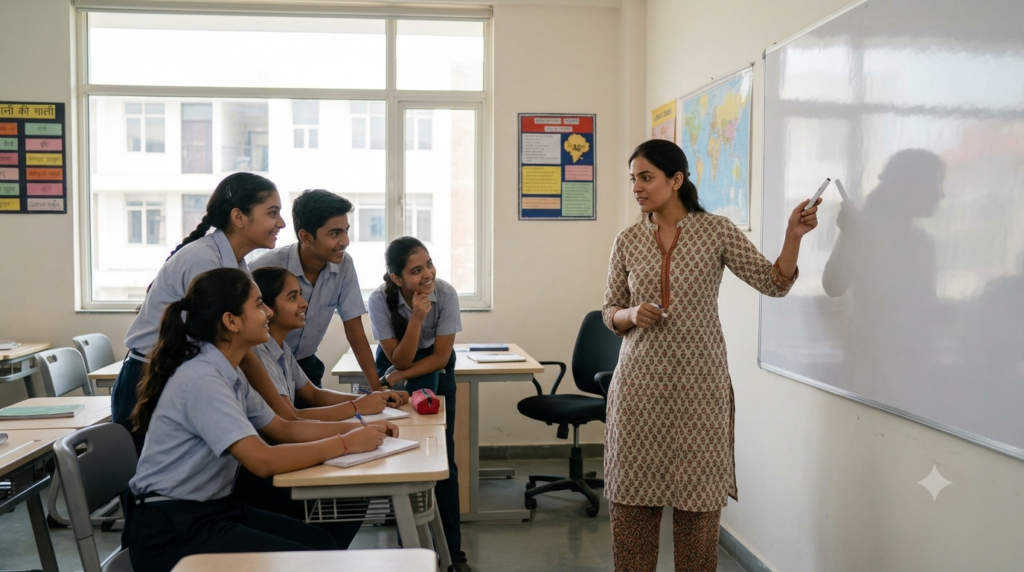
Priya, a 29-year-old teacher from Bangalore, became dependent on prescription painkillers after a back injury. What started as legitimate pain management turned into addiction when she began taking more pills than prescribed.
“I didn’t think I had a problem because a doctor had given them to me,” Priya says. “But soon I couldn’t function without them. I was lying to my doctor, hiding pills, and feeling ashamed every day.”
After her sister noticed the changes in her behavior, Priya sought help from a psychiatrist specializing in addiction. Through medication-assisted treatment and cognitive behavioral therapy, she learned healthier ways to manage pain and stress.
Now two years into recovery, Priya is back in the classroom and advocates for awareness about prescription drug misuse. “I want people to know that addiction doesn’t always look the way we expect. And asking for help is the bravest thing you can do.”
Arjun’s Story: Rebuilding Life After Cannabis Dependence

Arjun, a 24-year-old college student from Delhi, started using cannabis in his late teens to cope with anxiety and academic pressure. What felt like harmless relaxation gradually became a daily habit that affected his studies, relationships, and mental health.
“I was failing classes, avoiding my friends, and feeling depressed all the time,” Arjun shares. “My parents didn’t understand what was happening, and I felt completely alone.”
After a failed suicide attempt, Arjun was hospitalized and referred to a mental health clinic. There, he was diagnosed with both substance use disorder and generalized anxiety disorder—a dual diagnosis. With therapy, medication for anxiety, and support from a recovery group, Arjun slowly rebuilt his life.
Today, Arjun has completed his degree and works as a graphic designer. “Recovery taught me that I don’t need substances to cope. I have tools now—therapy, meditation, and people who care. Life isn’t perfect, but it’s real, and it’s mine.”
What These Stories Teach Us
1. Recovery Looks Different for Everyone:
There is no single path to recovery. Some people need inpatient treatment, others benefit from outpatient counseling, and many find strength in support groups.
2. It’s Never Too Late:
Whether someone has been using it for months or decades, recovery is always possible.
3. Support Matters:
Family, friends, counselors, and peer support play a crucial role in helping people stay on the path to recovery.
4. Relapse is Not Failure:
Many people experience setbacks. What matters is getting back up and continuing the journey.
5. Life After Addiction is Worth It:
Recovery brings back relationships, self-respect, health, and hope for the future.
Conclusion
These stories are proof that recovery is not just a dream—it’s a reality for thousands of people every year. If you or someone you love is struggling with substance abuse, know that you are not alone. Help is available, and a better life is waiting.
Your story of recovery can begin today. Take the first step—reach out, ask for help, and believe in the possibility of change.
For support and consultation, contact a trusted de-addiction center, counselor, or mental health professional near you.
Frequently Asked Questions (Mini FAQ)
Q1: How long does it take to recover from substance abuse?
Answer: Recovery is a lifelong journey, not a destination. Initial treatment typically lasts 28-90 days, but building a strong foundation takes 6-12 months. Significant brain healing occurs within the first year, and relapse risk decreases substantially after 5 years of sustained recovery. Everyone’s timeline is unique.
Q2: What is the success rate of addiction recovery?
Answer: About 75% of people who enter treatment complete it successfully. After 5 years of continuous sobriety, relapse rates drop below 15%. Success rates improve with comprehensive treatment, strong support systems, addressing co-occurring disorders, and long-term engagement in recovery activities. Recovery is possible and happens every day.
Q3: Can you fully recover from drug addiction?
Answer: Yes! While addiction causes brain changes, neuroplasticity allows the brain to heal and form new, healthy pathways. Many people achieve full recovery, living fulfilling lives without substances. Recovery means managing the condition effectively, much like diabetes or hypertension. Millions live in long-term, successful recovery.
Q4: What are the stages of addiction recovery?
Answer: The stages are: (1) Pre-contemplation – not recognizing the problem; (2) Contemplation – acknowledging the issue; (3) Preparation – planning to change; (4) Action – actively making changes and entering treatment; (5) Maintenance – sustaining recovery long-term; (6) Termination – full integration of recovery lifestyle. Progress isn’t always linear.
Q5: How do I know if I’m ready for recovery?
Answer: You don’t have to feel “ready” to start. Many people begin recovery feeling uncertain or scared. Signs you might benefit from help: substance use causing problems, inability to stop despite wanting to, loved ones expressing concern, health or legal issues, or simply feeling unhappy with your current situation. Willingness to try is enough.
Q6: How can I stay motivated in recovery?
Answer: Connect with your “why” (family, health, goals), celebrate small wins, attend support groups regularly, help others in recovery, set meaningful goals, practice gratitude, remember the pain of active addiction, track your progress, build a purposeful life, and surround yourself with supportive people. Motivation fluctuates—build habits and support systems for difficult days.